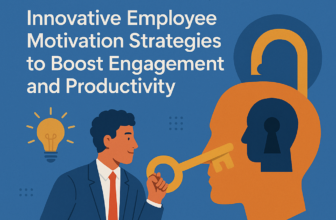
Empowering Tomorrow: The Future of Workplace Motivation in a Hybrid World
Introduction
In today's ever-evolving corporate landscape, the shift towards hybrid work environments has transformed not only how employees engage with their tasks but also how organizations approach workplace motivation. This article delves into the nuances of motivating a hybrid workforce, addressing both the needs of employees and the strategic objectives of organizations. By exploring foundational concepts, strategies, and case studies, this comprehensive guide aims to provide insights into empowering tomorrow’s workforce.
Section 1: Understanding Hybrid Work Environments
The Rise of Hybrid Work
The hybrid work model embraces a blend of remote and on-site work, allowing employees the flexibility to choose their working environment. This model emerged as a response to the global pandemic, leading to a rethinking of traditional workplace boundaries. Companies like Microsoft have championed this approach, illustrating how flexible work arrangements can boost both employee satisfaction and productivity.
Advantages and Challenges
While the hybrid model offers benefits such as increased employee morale and reduced overhead costs, it also presents challenges in communication and team cohesion. Organizations must develop tailored strategies to address these obstacles while ensuring optimal workplace motivation and productivity levels.
Section 2: The Psychology of Workplace Motivation
Theories of Motivation
To effectively motivate employees, it is essential to understand the psychological theories that underpin motivation. Maslow's Hierarchy of Needs and Herzberg's Two-Factor Theory provide frameworks for identifying employee needs at different levels, from basic requirements to higher-order growth needs.
Intrinsic vs. Extrinsic Motivation
Balancing intrinsic (internal) and extrinsic (external) motivators is crucial. Intrinsic motivation enhances job satisfaction and drive, while extrinsic rewards like bonuses and recognition can reinforce positive behaviors. By fostering a meaningful work environment, organizations can enhance workplace motivation levels.
Section 3: Strategies for Motivating Hybrid Teams
Flexibility and Autonomy
One of the most motivating factors for employees in a hybrid setup is flexibility. Allowing team members to choose their work hours and locations can create a sense of ownership and autonomy, ultimately leading to higher levels of motivation and job satisfaction.
Creating Inclusive Cultures
Fostering an inclusive culture is vital for motivating hybrid teams. This includes implementing diversity and inclusion initiatives as well as promoting a sense of belonging among all employees, whether they are working remotely or onsite. Tools like Zoom and Slack can facilitate communication and community-building across geographical boundaries.
Section 4: Technology's Role in Workplace Motivation
Collaboration Tools
Effective collaboration tools are essential for maintaining engagement among hybrid teams. Platforms such as Asana and Trello help teams track tasks and collaborate seamlessly, thus empowering employees and ensuring accountability.
Performance Tracking Software
Performance tracking software provides insights into productivity, allowing managers to recognize and reward high-performing team members effectively. Utilizing analytics from platforms like HRVantage can enhance engagement and motivation levels through clear feedback mechanisms.
Section 5: Measuring Employee Engagement
Key Metrics and KPIs
Implementing the right metrics can provide insight into employee engagement levels. Organizations ought to track KPIs such as turnover rates, employee satisfaction scores, and Net Promoter Scores (NPS) to gauge workplace motivation comprehensively.
Feedback Mechanisms
Regular feedback is crucial for sustaining employee motivation. Establishing channels such as employee surveys, one-on-one check-ins, and suggestion boxes can facilitate open communication, helping teams feel valued and engaged.
Section 6: Case Studies on Motivation in Hybrid Workplaces
Successful Companies Implementing Hybrid Models
Companies like Airbnb and Tesla have effectively implemented hybrid models while maintaining high levels of employee motivation. By prioritizing work-life balance and leveraging technology, they have set benchmarks in employee satisfaction.
Lessons Learned
Through these case studies, businesses can learn how to cultivate a motivated workforce by embracing flexibility, nurturing open communication, and leveraging technology strategically.
Section 7: Future Trends in Workplace Motivation
Remote Work Permanency
The evidence suggests that remote work is here to stay, prompting organizations to rethink their culture and practices around it. Businesses must adapt to this change by fostering an inclusive environment that motivates employees regardless of their location.
Evolving Employee Expectations
As needs shift, organizations must stay attuned to evolving employee expectations, emphasizing transparency, work-life balance, and opportunities for growth in their motivation strategies.
Section 8: Tools and Resources for Enhancing Workplace Motivation
Training Programs
- Online workshops focused on personal development.
- Leadership training to guide managers on best practices for engagement.
- Team-building activities to bolster camaraderie among hybrid teams.
Apps and Platforms
- Harvard Business Review: Offers executive insights and resources.
- Gallup: Provides research and analytics on workplace motivation.
- Culture Amp: Employee experience platform to survey and analyze employee motivation metrics.
Q&A Section
Q: What is the primary benefit of a hybrid workforce?
A: The primary benefit lies in enhanced flexibility and improved work-life balance for employees, which can lead to greater motivation and productivity levels.
Q: How can employers foster motivation in a hybrid work environment?
A: Employers can foster motivation by implementing flexible working arrangements, leveraging technology for communication, and creating an inclusive culture.
FAQ Section
Q: What role does technology play in workplace motivation?
A: Technology facilitates collaboration and performance tracking, both of which are crucial for enhancing motivation in hybrid workplaces.
Q: How important is employee feedback?
A: Employee feedback is paramount as it helps organizations understand employee needs and refine their motivation strategies accordingly.
Q: What are some effective tools for workplace motivation?
A: Tools like Slack, Asana, and Culture Amp are effective for enhancing workplace motivation in hybrid settings.
Resources
| Source | Description | Link |
|---|---|---|
| Harvard Business Review | Executive insights on workplace motivation | hbr.org |
| Gallup | Research and analytics focused on employee engagement | gallup.com |
| Culture Amp | Platform for analyzing employee motivation metrics | cultureamp.com |
| Microsoft WorkLab | Guides on hybrid work strategies | microsoft.com |
| Trello | Collaboration tool for organizing projects | trello.com |
Conclusion
In conclusion, workplace motivation in a hybrid world is a multifaceted challenge that requires understanding, adaptation, and innovation. By leveraging technology, embracing flexibility, and cultivating an inclusive culture, organizations can empower their workforce, leading to enhanced motivation and productivity. The future is bright for companies willing to adapt to these changes.
Disclaimer
This article was created with assistance from artificial intelligence (AI) to enhance research and drafting efficiency. All content has been reviewed and refined by human contributors.