Calm in Chaos: Proven Techniques for Effective Anxiety Relief
In the fast-paced world we live in, anxiety has become a common companion for many. Whether it stems from work pressures, personal relationships, or societal expectations, understanding how to manage anxiety is paramount for maintaining mental health. This extensive article dives deep into proven techniques for anxiety relief, offering insights into their effectiveness, real-life examples, and practical tips to cultivate inner peace amidst chaos.
Table of Contents
- Understanding Anxiety
- Proven Techniques for Anxiety Relief
- Cognitive Behavioral Therapy (CBT)
- Mindfulness and Meditation
- The Role of Physical Activity
- Building a Supportive Network
- Real-Life Examples
- Frequently Asked Questions (FAQ)
- Resources
Understanding Anxiety
Anxiety is a natural response to stress and can manifest in various ways, ranging from mild unease to debilitating panic attacks. To effectively address anxiety, it is essential to understand its roots.
What Are the Different Types of Anxiety Disorders?
- Generalized Anxiety Disorder (GAD): Characterized by persistent worry about various aspects of life.
- Panic Disorder: Involves recurrent panic attacks and a fear of future attacks.
- Social Anxiety Disorder: An intense fear of social interactions and situations.
- Specific Phobias: Excessive fear of a specific object or situation.
Causes of Anxiety
Various factors contribute to anxiety, including genetics, brain chemistry, personality, and life events. Understanding these triggers can help in formulating effective coping strategies.
Proven Techniques for Anxiety Relief
When it comes to managing anxiety effectively, several methods have proven successful. Here, we explore various techniques, focusing on their practicality and scientific backing.
1. Cognitive Behavioral Therapy (CBT)
2. Mindfulness and Meditation Practice
3. Physical Activity
4. Building a Supportive Network
5. Breathing Exercises
6. Nutrition and Sleep Hygiene
7. Time Management Strategies
8. Journaling and Self-Reflection
Cognitive Behavioral Therapy (CBT)
CBT is a structured, time-limited therapy that focuses on the relationship between thoughts, feelings, and behaviors. It challenges negative thought patterns and helps develop coping strategies.
Meticulous research indicates that CBT is effective for many forms of anxiety. It empowers individuals by equipping them with tools to reinterpret their thoughts, thus changing their emotional responses.
Case Study: Sarah's Journey with CBT
Sarah, a 28-year-old teacher, struggled with generalized anxiety disorder for years. After attending CBT sessions, she learned to identify irrational fears and cognitive distortions that magnified her anxiety. Through this method, Sarah has managed to reduce her anxiety levels substantially, proving the efficacy of CBT.
Mindfulness and Meditation
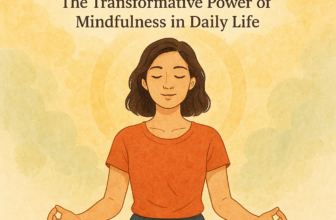
Mindfulness involves being present in the moment and acknowledging one's feelings without judgment. This practice can significantly reduce anxiety symptoms.
Recent studies show that mindfulness-based stress reduction (MBSR) can lead to long-term changes in brain activity related to emotion regulation.
Techniques to Incorporate Mindfulness
- Body Scan Meditation: A guided meditation that involves paying attention to different parts of the body.
- Mindful Breathing: Focusing solely on the breath to anchor oneself in the present.
- Gratitude Journaling: Writing down things you are grateful for to shift focus from anxiety triggers.
The Role of Physical Activity
Exercise is a powerful tool in combatting anxiety. Physical activity increases the production of endorphins, the body’s natural mood lifters.
Engaging in regular aerobic exercise, such as running, swimming, or cycling, can help alleviate symptoms of anxiety and improve overall mental health.
Real-World Example: Mark's Transformation Through Exercise
Mark, a 35-year-old marketing executive, found that regular workouts drastically improved his mood and mindset. After incorporating 30 minutes of cardio into his daily routine, he reported feeling calmer and more focused at work.
Building a Supportive Network
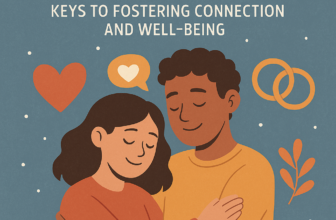
The importance of having a reliable support system cannot be overstated. Friends, families, and support groups play a vital role in managing anxiety.
Sharing experiences and seeking advice from others who understand can provide relief and validation.
Real-Life Examples
Below are a few more compelling stories illustrating the journey of individuals who successfully managed their anxiety:
John's Story
After struggling with panic attacks for several months, John sought help through a local support group. Sharing stories with others revealed patterns in his experience that he had never considered, allowing him to evaluate his coping strategies more critically.
Frequently Asked Questions (FAQ)
Q: What are immediate techniques for anxiety relief?
A: Breathing exercises, grounding techniques, and quick physical activities can provide immediate relief.
Q: How long does it take to see results from mindfulness practice?
A: Many individuals report feeling benefits within a few weeks, though long-term practice yields the most significant changes.
Q: Can anxiety be completely cured?
A: While anxiety may not be “cured” outright, it can certainly be managed and reduced significantly using various techniques.
Resources
| Source | Description | Link |
|---|---|---|
| American Psychological Association | Insights into coping with anxiety and mental health resources. | Link |
| Mindful.org | A great resource for mindfulness practices and meditation techniques. | Link |
| NAMI (National Alliance on Mental Illness) | Information and resources for managing mental health. | Link |
| CBT Thought Record | A tool for implementing CBT techniques. | Link |
| Mayo Clinic | Guides on anxiety disorders and symptoms. | Link |
Conclusion
In conclusion, effective anxiety relief involves a multifaceted approach that may include cognitive behavioral therapy, mindfulness practices, physical exercise, and building a solid support network. By equipping ourselves with practical techniques and knowledge, we can navigate the chaos of daily life with greater calm and resilience.
As research continues to evolve, future studies may explore new avenues for anxiety management, including the role of technology in therapeutic practices, such as virtual therapy and self-help apps. Remaining proactive and informed will be key in the quest for serenity in a tumultuous world.
Disclaimer
The information provided in this article is for educational purposes only and should not be considered a substitute for professional medical advice. Always consult with a qualified healthcare provider regarding any mental health concerns.