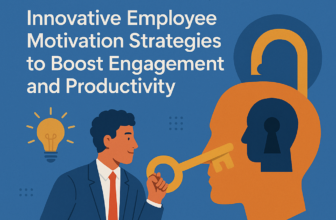
Boosting Team Motivation: Innovative Approaches to Effective Team-Building
Introduction
Team motivation is the driving force behind a successful team. In a world where organizations compete to remain relevant, understanding how to effectively build and maintain a motivated team is crucial. This article delves into innovative and practical approaches to enhance team motivation, exploring leadership roles, psychological tactics, technology integration, and real-world examples.
Section 1: Understanding Team Motivation
What is Team Motivation?
Team motivation can be defined as the collective drive and willingness of team members to work towards a common goal. Motivated teams demonstrate higher levels of productivity, engagement, and creativity, all of which contribute to the overall success of the organization.
Importance of Team Motivation
There are several reasons why boosting team motivation is essential. Motivated teams experience less turnover, improved collaboration, and a stronger sense of purpose. Furthermore, they are more likely to innovate and contribute positively to workplace culture. Understanding the significance of motivation allows organizations to invest time and resources into strategies that foster a motivated workforce.
Section 2: The Psychology Behind Motivation
Intrinsic vs. Extrinsic Motivation
Motivation can be categorized into intrinsic and extrinsic types. Intrinsic motivation stems from within the individual, fueled by personal satisfaction and a sense of accomplishment, whereas extrinsic motivation is influenced by external factors such as rewards and recognition. When building an effective team, it’s critical to find a balance between the two types to cater to diverse team members.
Theories of Motivation
Several psychological theories elucidate team motivation, including Maslow's Hierarchy of Needs and Herzberg’s Two-Factor Theory. Understanding these theories can guide team leaders in crafting a motivating environment that addresses both basic needs and higher-level aspirations of team members.
Section 3: Innovative Team-Building Strategies
Gamification in Team-Building
Gamification integrates game mechanics into non-game environments, providing an engaging way to motivate teams. Techniques such as leaderboards, achievement badges, and challenges can inspire friendly competition and encourage team members to stretch their limits.
Collaborative Workshops
Workshops that promote collaboration allow team members to bond over shared experiences and skills. These workshops can range from professional development sessions to more relaxed team-building activities, each fostering a stronger team dynamic through shared learning.
Section 4: The Role of Leadership in Motivation
Leadership Styles That Boost Motivation
Different leadership styles have varying impacts on team motivation. Transformational leaders, who inspire and empower their teams, tend to generate higher levels of motivation compared to authoritarian leaders. Understanding these dynamics can help leaders develop strategies that positively influence their teams.
Creating a Positive Work Environment
Fostering a positive work environment plays a pivotal role in team motivation. Open communication, encouragement, and recognition of achievements can lead to an engaged workforce. Leaders must be proactive in addressing team challenges and creating a space where everyone feels valued and empowered.
Section 5: Technology and Team Motivation
Digital Tools for Team Collaboration
The rise of digital tools has transformed team collaboration. Platforms like Slack, Microsoft Teams, and Trello enhance communication and streamline project management, creating a more connected and motivated workforce. Understanding how to leverage these tools effectively is key for modern team dynamics.
Remote Work and Motivation
Remote work has introduced unique challenges and opportunities for team motivation. While it may lead to feelings of isolation, innovative approaches, such as virtual team-building activities and regular check-ins, can significantly enhance motivation in remote settings.
Section 6: Real-Life Case Studies
Case Study: Google
Google implements a variety of motivational strategies, primarily focused on employee satisfaction. By providing unique perks, fostering an inclusive culture, and encouraging innovation, Google maintains high levels of motivation across its teams, resulting in high productivity and employee retention.
Case Study: Zappos
Zappos is renowned for its emphasis on company culture and employee happiness. Their commitment to exceptional customer service starts with motivated employees, achieved through autonomy and innovative team-building practices that encapsulate the essence of what it means to be a Zappos team member.
Section 7: Common Mistakes in Team Motivation
Failure to Acknowledge Achievements
One of the biggest pitfalls in team dynamics is the failure to recognize and celebrate individual and team achievements. Regular acknowledgment fosters motivation and encourages team members to continue contributing their best efforts.
Neglecting Individual Needs
While a collective approach to building motivation is essential, leaders must also cater to individual needs. Ignoring personal motivators can lead to disengagement and a lack of motivation among team members.
Section 8: Tips for Sustaining Team Motivation
Regular Feedback and Recognition
Smooth and open communication lines for feedback are essential for boosting team motivation. Regular check-ins, coupled with constructive feedback, encourage continuous improvement and engagement. Recognition of individual contributions also reinforces their value within the team.
Creating Growth Opportunities
Growth opportunities, whether through training programs or new project responsibilities, empower team members to take ownership of their development, thereby increasing their motivation levels. Providing avenues for career advancement can indeed act as a significant motivator.
Q&A Section
Here are some common queries regarding boosting team motivation:
- What are the most effective ways to boost team motivation? Innovative strategies like gamification, collaborative workshops, and effective feedback mechanisms can be highly impactful.
- How often should leaders check in with their teams? Regular check-ins, ideally weekly or bi-weekly, ensure that team members feel supported and valued.
- Can remote teams be as motivated as in-office teams? Absolutely, with the right tools and strategies to foster engagement and collaboration, remote teams can be equally motivated.
- What role does leadership play in team motivation? Effective leadership is crucial, as it influences team dynamics, morale, and motivation levels.
- How can organizations measure team motivation? Surveys, feedback sessions, and productivity metrics can provide insights into team motivation levels.
FAQ Section
Here are some frequently asked questions related to boosting team motivation:
- What are the signs of a motivated team? Indicators of a motivated team include high productivity, collaboration, and a positive work environment.
- How can I motivate a disengaged team? Identifying the root causes of disengagement and implementing targeted strategies can help revive motivation.
- What innovative approaches can boost motivation in virtual teams? Engaging activities like virtual games, online skill-building workshops, and recognition programs can enhance motivation in remote settings.
- Is monetary reward the best method for enhancing motivation? While financial rewards can be effective, intrinsic motivation strategies often result in more sustainable engagement.
- How important is company culture in boosting team motivation? A positive company culture significantly impacts motivation, as it shapes employees' daily experiences at work.
Resources
| Source | Description | Link |
|---|---|---|
| Harvard Business Review | Expert insights on motivation and workplace dynamics. | hbr.org |
| Forbes | Latest trends in leadership and team management. | forbes.com |
| Gallup | Research on employee engagement and motivation. | gallup.com |
| SHRM | Guides and resources on HR practices. | shrm.org |
| Employee Engagement Solutions | Tools and strategies for enhancing employee engagement. | engagedly.com |
Conclusion
Boosting team motivation is a multifaceted endeavor that requires a deep understanding of team dynamics, individual needs, and innovative strategies. By implementing the approaches discussed in this article, organizations can cultivate a motivated workforce that is equipped to face the challenges of today's competitive environment.
Disclaimer
This article was created with assistance from artificial intelligence (AI) to enhance research and drafting efficiency. All content has been reviewed and refined by human contributors.