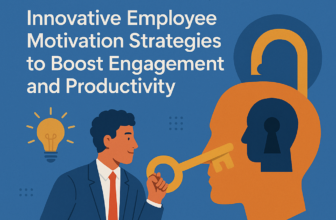
Boosting Engagement and Productivity: The Power of Motivational Games for Employees
Introduction
In today’s fast-paced corporate environment, organizations are continually seeking effective strategies to enhance employee engagement and productivity. One innovative approach that has gained traction is the use of motivational games. These games not only foster a fun work atmosphere but also drive employees to perform at their best. In this comprehensive guide, we will explore how these engaging activities can be implemented in workplaces to create a more vibrant and productive culture.
Section 1: Understanding Employee Engagement
What is Employee Engagement?
Employee engagement refers to the level of commitment and involvement an employee has towards their organization and its values. Engaged employees are those who are emotionally invested in their work, leading to higher productivity levels and retention rates.
Importance of Engagement
With a direct correlation to financial performance, employee engagement has become a focal point for organizations striving for success. Engaged employees contribute to a positive workplace culture, demonstrate greater loyalty, and significantly impact customer satisfaction, making it essential for businesses to invest in strategies that foster engagement.
Section 2: The Psychology Behind Games
Why Games Work
Games trigger intrinsic motivation—this is essential in understanding why motivational games effectively engage employees. Dopamine, often called “the feel-good chemical,” is released when employees play games that provide rewards or recognition. This neurochemical response encourages employees to repeat the behaviors that led to success.
Gamification in the Workplace
Gamification involves applying game-design elements in non-game contexts to improve user engagement. By incorporating game-like systems—such as point scoring, leaderboards, and challenges—organizations can foster competition and collaboration, thus enhancing overall engagement.
Section 3: Types of Motivational Games
Digital and Online Games
With the rise of technology, digital and online games have become integral resources. Platforms offering team-building games or simulations that mimic the workplace help employees develop skills while having fun. Popular examples include virtual escape rooms and trivia games focused on company knowledge.
Physical Team Building Games
Physical games promote face-to-face interaction, building camaraderie among employees. Activities like obstacle courses, scavenger hunts, and team challenges encourage teamwork and strengthen relationships, which are vital components of a productive workplace.
Section 4: Implementing Motivational Games
Assessing Employee Preferences
Before implementing any motivational game, organizations should assess employee preferences. Conducting surveys or focus groups can provide insights into which games align best with employees' interests, promoting greater participation and effectiveness.
Choosing the Right Game
Choosing the right game format is crucial. Organizations should consider factors such as the size of teams, available time, and specific goals for using the games. A well-chosen game resonates with employees and meets the desired engagement outcomes.
Section 5: Case Studies on Games Boosting Employee Engagement
Company A: Increasing Productivity through Gamification
Company A implemented a gamified employee recognition platform where employees earn points for completing tasks and can redeem them for rewards. After just six months, the company saw a 25% increase in productivity, showcasing how motivational games can lead to significant performance improvements.
Company B: Building Team Spirit with Games
Company B organized monthly physical team-building events. By incorporating friendly competition into these activities, they reported a 40% increase in employee satisfaction scores and a 15% decrease in turnover rates, highlighting the positive impact of motivational games on workplace culture.
Section 6: Benefits of Using Motivational Games
Enhanced Communication
Motivational games foster open communication channels among employees. Participating in group activities encourages dialogue, leading to stronger relationships and collaborative skills that benefit overall operations.
Increased Productivity
The primary objective of implementing motivational games is to enhance employee productivity. The elements of fun and challenge stimulate employees to work harder and more effectively towards their goals.
Section 7: Challenges and Considerations
Game Fatigue
One challenge organizations may face is game fatigue. Overusing motivational games can lead to decreased interest and engagement. It’s essential to balance game implementation with traditional work methods to maintain enthusiasm.
Cultural Sensitivity
When designing and implementing games, organizations must consider cultural differences among employees. What is fun and engaging for one group may not translate well to another, making inclusivity a critical factor.
Section 8: Future Trends in Employee Engagement Games
Technology Advancements
The future of employee engagement games will likely be driven by technological advancements, such as virtual reality (VR) and augmented reality (AR). These technologies can create immersive experiences that heighten engagement and motivation.
Continued Focus on Engagement
As remote work becomes more prevalent, companies will need to develop creative, tech-driven solutions to engage employees effectively. Trends indicate a growing focus on hybrid gamification models that blend both digital and in-person experiences.
Q&A Section
Here, we address common questions regarding the power of motivational games for employees and how they enhance engagement and productivity.
FAQ Section
- What are motivational games?
Motivational games are activities designed to engage employees, fostering enthusiasm and collaboration by incorporating fun and competition into the workplace.
- How do motivational games improve productivity?
By enhancing employee engagement, motivational games lead to increased satisfaction, which in turn raises productivity levels.
- Are there any risks associated with motivational games?
Yes, overuse can lead to game fatigue, and cultural sensitivity is necessary when implementing any game format.
- Can motivational games work for remote teams?
Absolutely! Many digital games can foster teamwork and engagement among remote workers, enabling connection even at a distance.
- How do I get started with motivational games in my organization?
Begin by assessing employee preferences and researching suitable games that align with your organizational goals.
Resources
| Source | Description | Link |
|---|---|---|
| Gallup | Insight into employee engagement statistics and strategies | Learn more |
| Forbes | Article on the impact of gamification on employee engagement | Learn more |
| Sherbetter | Review of digital tools for employee engagement | Learn more |
| Harvard Business Review | Insights on team dynamics and collaboration | Learn more |
| Gallup | Understanding the concept of employee engagement | Learn more |
Conclusion
Motivational games offer powerful tools for enhancing employee engagement and productivity. By understanding employees' needs and preferences, choosing the right games, and balancing game use with traditional work methods, organizations can harness these engaging strategies to create more vibrant workplaces. As companies continue to innovate in this space, the future of employee engagement looks promising.
Disclaimer
This article was created with assistance from artificial intelligence (AI) to enhance research and drafting efficiency. All content has been reviewed and refined by human contributors.