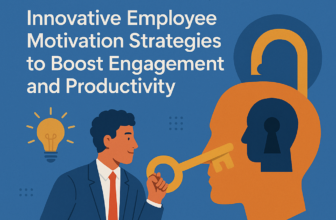
Unlocking Potential: Effective Strategies to Boost Employee Engagement in the Workplace
Introduction
In today's dynamic work environment, employee engagement is crucial for achieving organizational success.
This article delves into effective strategies to boost employee engagement, enhancing productivity, and fostering a positive workplace culture.
Section 1: The Importance of Employee Engagement
Defining Employee Engagement
Employee engagement refers to the emotional commitment an employee has to their organization, which influences their willingness to go above and beyond in their roles. Engaged employees are not just satisfied with their jobs; they are emotionally invested and motivated to contribute optimally.
Impact on Organizational Success
A high level of employee engagement correlates with increased productivity, higher retention rates, and better overall workplace morale. Companies with engaged employees often report improved performance metrics and profitability. For example, according to a study by Gallup, businesses with high employee engagement experience 21% higher profitability and 17% greater productivity.
Section 2: Strategies for Enhancing Employee Engagement
Recognition and Rewards
Recognizing and rewarding employees for their hard work and achievements is crucial. Implementing regular recognition programs can lead to higher motivation levels and influence workplace culture positively. Acknowledging efforts publicly fosters a sense of belonging and appreciation among team members.
Professional Development Opportunities
Investing in professional development through training programs, workshops, and mentorship not only boosts skills but also enhances employee engagement. Employees who see a path for growth within the organization are more likely to remain engaged and committed to their roles. According to LinkedIn, 94% of employees would stay longer at a company that invests in their career development.
Section 3: Communication and Accessibility
Open Communication Channels
Establishing open channels for communication cultivates a culture of transparency and trust. Employees should feel safe to express their thoughts and ideas, leading to a more collaborative environment. Regular team meetings and one-on-ones can enhance communication and strengthen relationships.
Feedback Mechanisms
Implementing structured feedback mechanisms helps gauge employee sentiment and engagement levels. Regular feedback forms and pulse surveys can ensure that employees feel heard and valued. This feedback can then inform decision-making processes and improve overall workplace strategies.
Section 4: Work-Life Balance
Flexible Working Models
Offering flexible working arrangements, such as remote work options or flexible hours, significantly improves employee satisfaction and engagement. Employees who can manage their work and home life more effectively tend to exhibit higher productivity and lower stress levels. Companies like Buffer and GitHub exemplify the success of remote working models.
Promoting Employee Wellness
Employee wellness programs focusing on physical and mental health can substantially influence engagement levels. Providing resources for health, wellness, and stress management shows employees that their well-being is a priority. A holistic approach to employee engagement includes initiatives that cater to an employee's lifestyle and well-being.
Section 5: Fostering a Positive Workplace Culture
Values and Beliefs
The foundation of a positive workplace culture lies in shared values and beliefs. Clearly defined beliefs shape employee behavior and interaction, which influences overall engagement. Organizations should actively promote these values through their policies and practices.
Team Building Activities
Organizing team building activities serves as an excellent strategy for fostering relationships and camaraderie among staff members. These activities can range from team outings to collaborative projects, ultimately leading to improved communication and morale among employees.
Section 6: Leveraging Technology for Engagement
Employee Engagement Software
Innovative technologies such as employee engagement software can streamline the process of connecting with employees. Tools that facilitate feedback, recognition, and communication help maintain engagement levels and improve the employee experience. Examples include platforms like 15Five and Officevibe.
Utilizing Social Platforms
Social media and internal platforms provide employees with opportunities to interact and engage in a less formal environment. Utilizing these tools for announcements, celebrations, and team collaboration enhances engagement and fosters community within the workplace.
Section 7: Measuring Employee Engagement
Surveys and Assessments
Regular surveys are essential for assessing employee engagement levels. These assessments provide quantitative and qualitative data that can inform strategies for improvement. Best practices include utilizing anonymous surveys and conducting them consistently to gauge the health of engagement within the organization.
Interpreting Data
The key to leveraging survey data lies in its interpretation. Organizations must analyze feedback constructively and utilize it to develop actionable strategies. Data should inform leadership on strengths, weaknesses, and areas for improvement related to employee engagement.
Section 8: Long-term Strategies for Sustaining Engagement
Continuous Improvement
Sustaining employee engagement requires a commitment to continuous improvement. Organizations should regularly evaluate their engagement strategies and adapt to changing workforce needs to ensure long-term engagement success. Continuous feedback loops help identify evolving trends and employee expectations.
Leadership Commitment
Leadership plays a pivotal role in fostering an engaged workforce. Leaders should actively participate in engagement initiatives, model positive behavior, and demonstrate commitment to the organization's values. Leadership buy-in signals to employees that engagement is a priority and that their contributions matter.
Q&A Section
What is employee engagement?
Employee engagement is the emotional commitment an employee has towards their organization, influencing their willingness to contribute to its success.
How can I boost employee engagement without increasing the budget?
Simple yet effective measures like open communication, recognition, and fostering positive workplace culture can significantly enhance employee engagement without requiring extensive financial investment.
What role does leadership play in employee engagement?
Leadership influences employee engagement directly by adopting policies that foster engagement, providing clear communication, and setting an example for employees to follow.
How can technology help in improving employee engagement?
Technology aids in facilitating communication and feedback, simplifying recognition processes, and providing platforms for employees to connect and share their experiences.
What are some signs of low employee engagement?
Common signs of low employee engagement include high turnover rates, minimal participation in company initiatives, a decline in productivity, and increased absenteeism.
FAQ Section
How do you measure employee engagement effectively?
Measuring employee engagement can be done through structured surveys and assessments, allowing organizations to capture both quantitative and qualitative data on employee sentiments.
What are the best tools for tracking employee engagement?
Some of the best tools for tracking employee engagement include platforms like 15Five, Culture Amp, and SurveyMonkey, which offer various features for feedback and measurement.
Can remote employees be engaged effectively?
Yes, remote employees can be engaged through regular communication, virtual team-building activities, and by utilizing technology to maintain connections and facilitate collaboration.
What strategies are most effective for increasing employee engagement?
Strategies such as recognition programs, professional development opportunities, open communication, and promoting work-life balance have proven effective in boosting employee engagement.
How often should employee engagement surveys be conducted?
Employee engagement surveys should ideally be conducted at least bi-annually or quarterly, allowing organizations to gauge engagement trends and make timely improvements.
Resources
| Source | Description | Link |
|---|---|---|
| Gallup | Research on employee engagement and its impact on workplace performance. | Gallup |
| LinkedIn Learning | Career development insights and resources for enhancing employee learning. | LinkedIn Learning |
| Culture Amp | Tools and resources for measuring and improving employee engagement. | Culture Amp |
| Officevibe | Employee engagement platform to gather feedback and improve workplace culture. | Officevibe |
| Forbes | Insights on employee engagement trends and best practices. | Forbes |
Conclusion
Boosting employee engagement is an ongoing process requiring commitment from leadership, strategic action, and a focus on communication and inclusivity. Organizations that prioritize engagement not only unlock the potential of their employees but also enhance overall workplace productivity and morale, driving long-term success.
Disclaimer
This article was created with assistance from artificial intelligence (AI) to enhance research and drafting efficiency. All content has been reviewed and refined by human contributors.