10 Healthy Habits to Cultivate for a Longer, Happier Life
In our fast-paced world, where stress levels are soaring and healthy lifestyles are often overshadowed by convenience, it's crucial to adopt habits that not only enhance longevity but also promote happiness and well-being. This article outlines 10 healthy habits that can help cultivate a longer and happier life. We will explore each habit in depth, providing insights, real-life examples, and expert recommendations. Additionally, we will include a Q&A section, a resources table, and a comprehensive conclusion highlighting key takeaways.
Table of Contents
- Introduction
- Habit 1: A Balanced Diet
- Understanding Nutritional Needs
- Real-Life Example: The Mediterranean Diet
- Habit 2: Regular Exercise
- Benefits of Physical Activity
- Case Study: From Couch Potato to Marathon Runner
- Habit 3: Quality Sleep
- The Science of Sleep
- Strategies for Better Sleep Hygiene
- Habit 4: Stress Management
- Techniques to Manage Stress Effectively
- Real-Life Example: Mindfulness in Action
- Habit 5: Strong Social Connections
- The Importance of Relationships
- Case Study: Building Community in a Digital Age
- Habit 6: Mental Stimulation
- Keeping the Brain Active
- Strategies for Lifelong Learning
- Habit 7: Regular Health Check-ups
- The Importance of Preventive Care
- Case Study: Early Detection Saves Lives
- Habit 8: Positive Mindset
- Cultivating Optimism
- Real-Life Example: The Power of Gratitude
- Conclusion
- Frequently Asked Questions (FAQ)
- Resources
- Disclaimer
Introduction
Leading a long and fulfilling life is a goal many of us share, yet the path to achieving this can often seem daunting. Research has shown that certain lifestyle choices significantly impact our overall health and happiness. In this article, we will delve into ten essential habits that contribute to a longer, healthier life. From nutritious eating to cultivating strong social connections, each section will provide actionable insights that can be easily integrated into everyday life.
Habit 1: A Balanced Diet
Understanding Nutritional Needs
A balanced diet is the cornerstone of good health. It involves consuming a variety of foods in the right proportions to maintain optimal health. A well-rounded diet typically includes:
- Fruits and Vegetables: Aim for at least five servings a day.
- Whole Grains: Choose whole grains over refined grains for added fiber and nutrients.
- Lean Proteins: Incorporate sources like fish, poultry, legumes, and nuts.
- Healthy Fats: Focus on unsaturated fats found in olive oil, avocados, and fatty fish.
Real-Life Example: The Mediterranean Diet
One of the most studied dietary patterns is the Mediterranean diet, which emphasizes whole foods, healthy fats, and plant-based ingredients. A case study from a 2018 National Institutes of Health report highlighted that individuals adhering to this diet exhibited lower rates of heart disease and improved mental health.
Habit 2: Regular Exercise
Benefits of Physical Activity
Engaging in regular exercise is crucial for both physical and mental health. Benefits include:
- Improved cardiovascular health
- Weight management
- Enhanced mental clarity and mood
- Increased longevity
Case Study: From Couch Potato to Marathon Runner
Consider the story of John, a 45-year-old who transformed his sedentary lifestyle by incorporating a walking routine that gradually progressed to running marathons. After committing to exercise five days a week, John reported significant weight loss, increased energy levels, and improved mental health, proving that regular physical activity can drastically change one’s life.
Habit 3: Quality Sleep
The Science of Sleep
Quality sleep is vital not only for physical health but also for emotional balance. Sleep disorders can lead to a range of health problems, including obesity, diabetes, and depression. The American Academy of Sleep Medicine recommends adults aim for seven or more hours of sleep per night.
Strategies for Better Sleep Hygiene
To promote better sleep, consider the following strategies:
- Establish a routine: Go to bed and wake up at the same time every day.
- Create a calm environment: Keep your bedroom dark, quiet, and cool.
- Limit screen time: Reduce exposure to screens at least an hour before bedtime.
Habit 4: Stress Management
Techniques to Manage Stress Effectively
Chronic stress can lead to numerous health issues, including anxiety, depression, and heart disease. Therefore, effective stress management is essential. Techniques include:
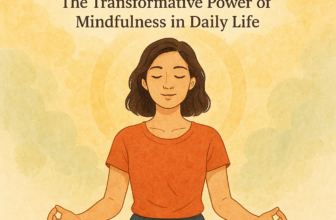
- Mindfulness and meditation
- Physical exercise
- Deep breathing techniques
- Time management skills
Real-Life Example: Mindfulness in Action
Lisa, a corporate employee, struggled with work-related stress until she attended a mindfulness retreat. By learning and practicing mindfulness, Lisa found ways to manage her stress levels, leading to improved clarity and a significant reduction in anxiety.
Habit 5: Strong Social Connections
The Importance of Relationships
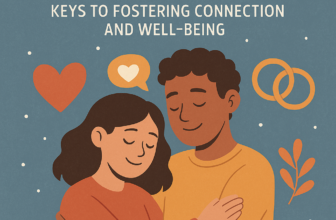
Strong social ties are linked to a longer lifespan and better emotional health. Relationships provide us with support, fulfillment, and a sense of belonging. Consider forming deeper connections with family and friends through regular gatherings or community events.
Case Study: Building Community in a Digital Age
A study from Harvard University highlighted that those with strong social networks are less likely to suffer from depression and anxiety. This was evident in a case study involving a group of individuals who formed a support network through social media, ultimately leading to enhanced mental well-being and social engagement.
Habit 6: Mental Stimulation
Keeping the Brain Active
Mental stimulation is essential for maintaining cognitive function as we age. Engaging in activities that challenge the brain can help prevent cognitive decline. Examples of mental stimulation include:
- Puzzles and games
- Reading
- Learning new skills or hobbies
Strategies for Lifelong Learning
Consider enrolling in local community classes or online courses. Platforms like Coursera and Khan Academy offer free courses that can reignite your passion for learning.
Habit 7: Regular Health Check-ups
The Importance of Preventive Care
Consistent health check-ups can lead to early detection and treatment of potential health issues. Regular screenings for cholesterol, blood pressure, and cancer can significantly increase life expectancy and improve quality of life.
Case Study: Early Detection Saves Lives
An inspiring story is that of Sarah, who consistently attended her annual check-ups. After a routine screening detected early-stage breast cancer, she underwent successful treatment and is now a vocal advocate for preventive health care, demonstrating the profound impact of regular check-ups on life outcomes.
Habit 8: Positive Mindset
Cultivating Optimism
A positive mindset can dramatically influence health and happiness. Studies have shown that optimistic individuals tend to have lower stress levels and better overall health.
Real-Life Example: The Power of Gratitude
Tom decided to practice gratitude by writing down three things he was thankful for each day. Over time, this simple habit shifted his perspective, promoting greater happiness and resilience in the face of challenges.
Conclusion
The journey to a longer, happier life begins with the adoption of healthy habits. By implementing dietary improvements, regular exercise, quality sleep, stress management, social connections, mental stimulation, preventive care, and fostering a positive mindset, you can significantly improve your well-being.
In the future, we may see trends such as personalized nutrition plans and digital health monitors become commonplace as technology continues to evolve. Keeping an eye on these developments can further enhance your journey toward health and happiness.
Frequently Asked Questions (FAQ)
Q: What is the most important habit to adopt for better health?
A: While all habits listed are crucial, a balanced diet and regular exercise often serve as fundamental pillars of health.
Q: Can one improve their mental health through lifestyle changes?
A: Yes, lifestyle changes such as regular physical activity, quality sleep, and strong social connections have been shown to improve mental health significantly.
Q: How often should I get health check-ups?
A: The frequency of health check-ups can depend on age and health status. Generally, it’s recommended to have them annually or biannually.
Q: What role does stress management play in health?
A: Effective stress management is essential as chronic stress can lead to various health issues, including cardiovascular problems and weakened immune functions.
Resources
| Source | Description | Link |
|---|---|---|
| American Heart Association | Guidelines for healthy eating and heart health | heart.org |
| Mayo Clinic | Comprehensive wellness and health advice | mayoclinic.org |
| National Sleep Foundation | Resources on sleep hygiene and issues | sleepfoundation.org |
| Harvard University | Study on benefits of social connections | harvard.edu |
| Coursera | Online learning resources across various subjects | coursera.org |
Disclaimer
The information provided in this article is for educational purposes only and should not be considered medical advice. Always consult with a healthcare professional before making any changes to your lifestyle or health practices.
This article is a comprehensive overview of habits that can support a longer, happier life. By adopting even a few of these recommended practices, individuals can pave the way for a more fulfilling and health-conscious future.