Unlocking the Secrets to Longevity: The Top Exercises to Extend Your Life
Introduction
Longevity has captured human interest for centuries. What gives some people the ability to live beyond 100 years while others succumb to diseases early? One of the key factors influencing longevity is regular physical activity. This article aims to explore the top exercises that contribute to a longer and healthier life, backed by scientific research and real-life case studies.
Understanding Longevity
Longevity refers to the length of time that an individual lives. Various factors contribute to longevity, including genetics, environment, lifestyle choices, and importantly, physical activity. Research has shown that incorporating exercise into daily routines significantly enhances both longevity and quality of life.
The Importance of Exercise for Longevity
Regular exercise offers numerous health benefits, including:
- Improved cardiovascular health.
- Enhanced muscular strength and flexibility.
- Weight management.
- Better mental health and mood regulation.
- Reduced risk of chronic diseases like diabetes and cancer.
- Increased life expectancy.
Studies show that individuals who engage in regular physical activity tend to live longer, healthier lives compared to sedentary individuals. For instance, a 2018 study published in the *British Journal of Sports Medicine* found that just 150 minutes of moderate-intensity exercise weekly can decrease mortality risk by up to 30%.
Top Exercises for Longevity
The following exercises have been shown to extend life expectancy and improve overall health:
1. Aerobic Exercises
Aerobic exercises, such as walking, running, swimming, or cycling, are critical for cardiovascular health. These activities strengthen the heart and lungs, improve circulation, and enhance endurance.
Case Study: A study involving older adults conducted by Harvard University found that participants who walked briskly for at least 30 minutes most days of the week significantly reduced their risk of heart disease.
2. Strength Training
Strength training helps maintain muscle mass, bone density, and metabolic rate as we age. Exercises like weight lifting or resistance band workouts can lead to improved physical function.
Example: According to the American College of Sports Medicine, engaging in strength training at least twice a week can help reduce the risk of falls in older adults.
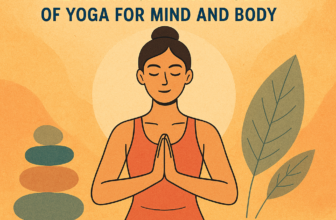
3. Flexibility and Balance Exercises
Incorporating flexibility and balance exercises, such as yoga and tai chi, is essential for maintaining mobility and preventing falls. These exercises enhance body awareness and coordination, essential as we age.
Real-life Example: A community program in San Francisco introduced a tai chi course for seniors, resulting in a 50% reduction in fall-related injuries among participants.
4. High-Intensity Interval Training (HIIT)
HIIT involves short bursts of intense exercise followed by rest. This method not only improves fitness levels quickly but also elevates metabolism for hours post-exercise.
Research from the *Journal of Physiology* indicates that HIIT can enhance cardiovascular health even in shorter time frames compared to traditional steady-state cardio.
5. Functional Training
Functional training focuses on exercises that improve daily activities and overall quality of life. Movements that mimic everyday tasks are crucial for maintaining independence in older age.
Studies highlight that individuals who engage in functional exercises show greater improvement in daily living activities compared to those who do not.
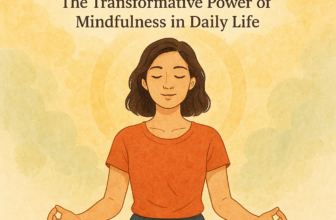
6. Mind-Body Exercises
Meditation and mindfulness practices improve mental health, reduce stress, and enhance the mind-body connection. Regular participation has effects on longevity as well.
A Meta Analysis published in *Psychological Bulletin* found that mindfulness practice can lead to decreased levels of anxiety, depression, and stress—factors contributing to longevity.
Key Nutrition Factors
While exercise is pivotal for longevity, nutrition plays a complementary role. Following a balanced diet rich in whole foods, lean protein, and healthy fats can further extend life.
- Plant-Based Foods: High in antioxidants, vitamins, and minerals.
- Omega-3 Fatty Acids: Found in fish, promotes heart health.
- Moderate Caloric Intake: Associated with longevity in various studies.
Overcoming Obstacles to Regular Exercise
One of the most significant barriers to regular exercise is lack of time. However, planning and prioritizing physical activity can help individuals overcome this challenge. Here are some strategies:
- Set realistic fitness goals.
- Incorporate exercise into daily routines.
- Join exercise groups or classes for motivation.
- Choose enjoyable activities to sustain interest.
Q&A Section
Q: How often should I exercise to improve longevity?
A: The CDC recommends at least 150 minutes of moderate aerobic exercise or 75 minutes of vigorous exercise per week, alongside strength training exercises on two or more days per week.
Q: Can I exercise if I have chronic health conditions?
A: Yes, most individuals with chronic health conditions can engage in physical activity. However, it is advisable to consult a healthcare professional for personalized recommendations.
Q: What is the best type of exercise for older adults?
A: A combination of aerobic, strength, and flexibility exercises works best for older adults, as it addresses multiple aspects of fitness that may decline with age.
Q: Is it too late to start exercising?
A: It’s never too late to start. Research shows that older adults can still benefit significantly from adopting a regular exercise routine.
Frequently Asked Questions (FAQ)
- What types of exercise can I do at home?
Aerobic exercises, such as jumping jacks or jogging in place, strength exercises using body weight, and yoga or pilates can all be performed at home.
- Is it sufficient to exercise only on weekends?
While some activity is always better than none, spreading out exercise sessions throughout the week is more beneficial for health and longevity.
- Are there specific exercises that can help me live longer?
Yes, aerobic activities, strength training, flexibility exercises, and balance-improving workouts all play significant roles in enhancing longevity.
Resources
| Source | Description | Link |
|---|---|---|
| CDC – Physical Activity Basics | Guidelines and recommendations for physical activity | CDC |
| American College of Sports Medicine | Research articles on exercise science and health. | ACSM |
| National Institute on Aging | Resources for maintaining health as an older adult. | NIA |
| World Health Organization | Global guidelines on physical activity for health. | WHO |
Conclusion
Key Takeaways:
- Regular exercise is a fundamental aspect of a long and healthy life.
- A diverse routine incorporating aerobic, strength, flexibility, and balance exercises is most beneficial.
- Nutritional choices should complement physical activity for optimal results.
- Starting or continuing an exercise regimen can happen at any age with appropriate modifications.
Future Trends: Ongoing research into gerotechnology and exercise innovation holds the potential for creating new methods that encourage physical activity, especially among older populations.
Disclaimer
The information in this article is for educational purposes only and should not be considered medical advice. Always consult a healthcare professional before commencing any exercise program, particularly if you have pre-existing health conditions or concerns.