Embracing Relief: Natural Remedies to Alleviate PMS Symptoms
Introduction
Premenstrual syndrome (PMS) affects a significant proportion of women during their reproductive years, with symptoms including mood swings, cramping, food cravings, fatigue, and irritability. While a variety of conventional treatments exist, more individuals are turning toward natural remedies. This article will explore a variety of natural remedies and lifestyle changes that can help alleviate PMS symptoms, backed by scientific research and real-world examples.
Table of Contents
- Understanding PMS: Symptoms and Causes
- Lifestyle Modifications for PMS Relief
- Diet and Nutrition: Nourishing Your Body
- Herbal Remedies: Nature’s Pharmacy
- Physical Activity and Exercise
- Mind-Body Approaches
- Q & A: Common Questions About PMS
- Conclusion and Future Trends
- Resources
- Disclaimer
1. Understanding PMS: Symptoms and Causes
1.1 Defining PMS
Premenstrual syndrome (PMS) is characterized by a range of physical and emotional symptoms that typically occur in the luteal phase of the menstrual cycle. This phase lasts from ovulation until the start of menstruation.
1.2 Symptoms
PMS symptoms can widely vary, but they typically fall into two categories:
-
Physical Symptoms:
- Bloating
- Breast tenderness
- Cramping
- Headaches
- Fatigue
-
Emotional Symptoms:
- Mood swings
- Anxiety
- Depression
- Irritability
- Difficulty in concentration
1.3 Causes of PMS
The exact causes of PMS remain unclear, but a combination of hormonal fluctuations, neurotransmitter changes, and individual susceptibility play a key role. The symptoms are believed to be influenced by the interaction of estrogen and progesterone that regulate the menstrual cycle, along with other factors such as lifestyle and genetics.
2. Lifestyle Modifications for PMS Relief
2.1 Sleep Hygiene
Establishing a regular sleep routine can reduce fatigue and improve mood stability. Aim for 7-9 hours of quality sleep each night, and use strategies such as:
- Going to bed and waking up at the same time each day.
- Creating a restful environment (dark, quiet, and cool).
- Limiting screen time before bed.
2.2 Stress Management
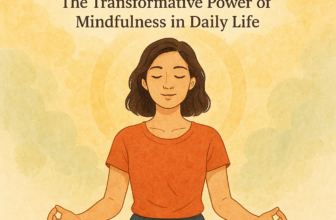
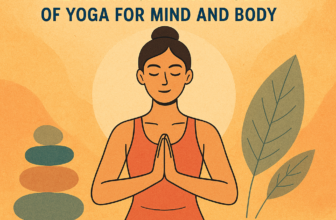
Stress can exacerbate PMS symptoms. Mindfulness practices such as meditation or yoga can help mitigate stress. Regular practice can promote relaxation, decrease anxiety levels, and improve mood.
3. Diet and Nutrition: Nourishing Your Body
3.1 Essential Nutrients
Certain nutrients play a pivotal role in alleviating PMS symptoms:
- Magnesium: Found in nuts, seeds, and dark leafy greens, magnesium may alleviate water retention and mood swings.
- Calcium: Dairy products and leafy greens may help reduce symptoms, as studies indicate calcium can diminish emotional and physical PMS symptoms.
- Vitamin B6: This vitamin can improve mood and decrease irritability. Sources include fish, poultry, and fortified cereals.
3.2 Alternative Diet Strategies
In addition to incorporating specific nutrients, several dietary approaches can be beneficial:
- Balanced Diet: Focus on whole foods, including fruits, vegetables, whole grains, lean proteins, and healthy fats.
- Limit Sugar and Caffeine: Both can exacerbate mood swings and anxiety. Reducing or avoiding these can significantly improve symptoms.
4. Herbal Remedies: Nature’s Pharmacy
4.1 Chaste Tree (Vitex agnus-castus)
Chaste tree is an herb that has been traditionally used in managing PMS symptoms. Some studies suggest it may help normalize hormone fluctuations associated with PMS.
4.2 Evening Primrose Oil
Rich in gamma-linolenic acid (GLA), evening primrose oil is believed to alleviate breast tenderness and emotional symptoms. Many women report improvement in symptoms after consistent use.
4.3 Other Herbs
- Ginger: Known for its anti-inflammatory properties, ginger can be effective against menstrual cramps.
- Peppermint: This herb may provide relief from bloating and digestive discomfort associated with PMS.
5. Physical Activity and Exercise
5.1 The Importance of Movement
Regular physical activity has been shown to reduce PMS symptoms significantly. Exercise releases endorphins, which can enhance mood and reduce discomfort.
5.2 Exercise Recommendations
Incorporate both aerobic exercises and strength training, like:
- Aerobic Activities: Walking, jogging, cycling, swimming.
- Strength Training: Light weights or body-weight exercises focusing on core and legs.
5.3 Case Study: Sarah’s Transformation
Sarah, a 29-year-old graphic designer, found her PMS symptoms unbearable. After integrating regular exercise into her routine, along with dietary changes, Sarah reported a marked improvement in both her physical and emotional symptoms within a few cycles.
6. Mind-Body Approaches
6.1 Yoga and Meditation
Incorporating yoga or meditation into your routine can significantly alleviate emotional distress and promote relaxation. Simple yoga stretches can relieve cramps and improve well-being.
6.2 Cognitive Behavioral Therapy (CBT)
For those experiencing intense emotional symptoms, CBT may help change negative thought patterns regarding the menstrual cycle and develop healthier coping mechanisms.
7. Q & A: Common Questions About PMS
Q1: When should I see a doctor regarding my PMS symptoms?
A1: If your symptoms are severe and interfere with daily activities or quality of life, seek medical advice.
Q2: Are there any side effects of herbal remedies?
A2: While many herbal remedies are safe, they can interact with medications or have side effects. Always consult with a healthcare provider.
Q3: How long do PMS symptoms usually last?
A3: PMS symptoms typically begin in the luteal phase and resolve with the onset of menstruation, lasting around one to two weeks.
8. Conclusion and Future Trends
PMS remains a common challenge for many women, but by embracing natural remedies and lifestyle modifications, significant relief can be achieved. As scientific understanding of PMS and women's health progresses, more personalized and effective treatment approaches are likely to emerge. Education and awareness regarding the role of nutrition, herbs, exercise, and mindfulness practices continue to grow.
9. Resources
| Source | Description | Link |
|---|---|---|
| Mayo Clinic | Comprehensive overview of PMS | Mayo Clinic |
| National Women's Health Network | Information on women's health topics | NWHN |
| WebMD | Health information and remedies | WebMD |
| PubMed | Research articles on PMS studies | PubMed |
| American Family Physician | Articles about PMS treatment options | AFP |
| Herbal Medicine Research | Research studies on herbal remedies | HMRE |
Disclaimer
The information provided in this article is for educational purposes only and does not substitute professional medical advice, diagnosis, or treatment. Always seek the advice of your physician or other qualified health provider with any questions you may have regarding a medical condition or treatment.