Empowering Your Mind: Natural Strategies for Overcoming Depression
Introduction
Depression is a pervasive mental health condition that affects millions of people worldwide.
While traditional treatment methods such as therapy and medication are beneficial for many,
they may not be the answer for everyone. This article explores natural strategies
to empower individuals in overcoming depression.
Understanding Depression
Depression is more than just feeling sad. It can lead to a range of emotional and physical
problems affecting your ability to function in daily life. Understanding the types, symptoms,
and root causes of depression is crucial in managing it effectively. Here are some key points:
Types of Depression
- Major Depressive Disorder: Characterized by persistent feelings of sadness and loss of interest.
- Persistent Depressive Disorder: A chronic form of depression lasting for at least two years.
- Bipolar Disorder: Includes depressive episodes alongside manic ones.
- Seasonal Affective Disorder (SAD): Linked to changes in seasons and reduced sunlight.
Common Symptoms
- Persistent sad, anxious, or “empty” mood.
- Feelings of hopelessness or pessimism.
- Loss of interest or pleasure in activities once enjoyed.
- Difficulty concentrating and making decisions.
- Changes in appetite or weight.
- Thoughts of death or suicide.
Causes of Depression
The causes of depression are complex and can include genetic, biological, environmental, and psychological factors.
Factors such as traumatic events, chronic illness, and significant life changes can also contribute to the onset of depression.
Section 1: Lifestyle Changes to Combat Depression
Making lifestyle changes can significantly improve your mental state. Here are some strategies:
Physical Activity
Exercise releases endorphins, which are natural mood lifters.
Incorporating regular physical activity, even in small amounts, can help alleviate depression.
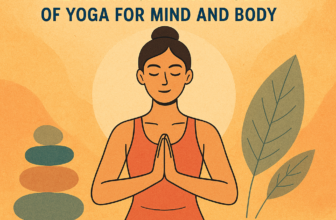
Consider walking, jogging, dancing, or yoga as enjoyable forms of exercise.
Nutrition
Diet plays a vital role in mental health. A balanced and nutritious diet can improve mood and overall well-being
while reducing depressive symptoms. Key nutrients include:
- Omega-3 fatty acids found in fish and flaxseeds.
- Folic acid in leafy greens and legumes.
- Vitamin D from sun exposure or supplements.
Sleep Hygiene
Quality sleep is crucial for mental health. Establish a sleep routine by going to bed and waking up at the
same time each day, avoiding stimulants in the evening, and creating a calming bedtime environment.
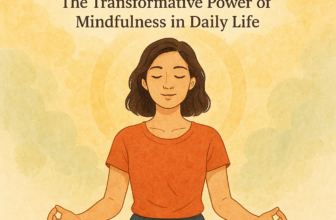
Section 2: Mindfulness and Meditation
Mindfulness practices can drastically change the way we perceive depression.
Here are techniques to incorporate mindfulness and meditation into your daily routine:
Breathing Exercises
Simple breathing exercises can reduce anxiety and increase feelings of peace. Try this technique:
- Sit or lie down in a comfortable position.
- Inhale deeply through your nose for a count of four.
- Hold your breath for a count of four.
- Exhale slowly through your mouth for a count of four.
Guided Meditation
Guided meditation can help center your thoughts and reduce racing thoughts often associated with depression.
Apps like Headspace and Calm provide excellent resources for guided sessions.
Section 3: Therapeutic Approaches
Natural therapeutic approaches can offer additional support in managing depression.
Here are several evidence-based methods:
Cognitive Behavioral Therapy (CBT)
CBT is an effective therapeutic model that helps individuals change negative thought patterns and behaviors.
This therapy teaches practical skills to cope with stress and improve emotional regulation.
Art and Music Therapy
Creative outlets can be therapeutic. Art and music therapy encourage expression and can reduce feelings of isolation
and anxiety. Many community centers offer these programs for people struggling with mental health.
Section 4: The Role of Social Support
Connecting with others is essential for emotional well-being.
Building a support network can prevent and alleviate depressive symptoms:
Join Support Groups
Support groups can provide a sense of community and validation. Look for local or online groups focused on depression.
Building Relationships
Investing time in friends and family strengthens bonds and offers emotional support.
Consider scheduling regular check-ins, whether through phone calls, video chats, or meetups.
Section 5: Holistic Approaches
Holistic approaches like herbal remedies and aromatherapy can provide additional support in managing depression:
Herbal Supplements
Natural supplements like St. John’s Wort, Omega-3 fatty acids, and SAM-e may help alleviate depression.
Always consult with a healthcare provider before beginning any new supplement regimen.
Aromatherapy
Essential oils like lavender, chamomile, and bergamot can promote relaxation and improve mood when used in diffusers
or lotions—combining aroma with massage can further enhance the effects.
Section 6: Real-Life Examples and Case Studies
Here, we explore real-life examples and case studies of individuals who utilized natural strategies
to overcome depression. These stories highlight critical decisions leading to recovery:
Case Study 1: Sarah's Journey
Sarah, a 32-year-old teacher, struggled with depression after a significant life event.
By embracing a daily exercise regimen, enhancing her diet, and participating in weekly therapy sessions,
she gradually reclaimed her life. Sarah credits her new routine and emotional support from friends as crucial
elements in her recovery.
Case Study 2: Mark's Transformation
Mark, a 45-year-old marketing executive, faced debilitating depression for years.
After engaging in mindfulness meditation and joining a local support group, he developed a healthier mindset.
Mark now practices daily gratitude and journaling, which he states fosters resilience against depressive thoughts.
FAQ Section
Q&A
- What if my symptoms don't improve?
-
If symptoms persist, it’s essential to consult a healthcare professional.
Sometimes a combination of therapies and medications is necessary to manage depression effectively. - Can these strategies completely replace medication?
-
While these strategies can help alleviate symptoms, they may not work for everyone.
Consult with a healthcare provider to determine the best approach for your situation. - How long does it take to see results from natural methods?
-
Individuals may notice improvements within weeks, but changes often take time.
Consistency in applying these strategies is key to achieving lasting results.
Resources
| Source | Description | Link |
|---|---|---|
| MentalHealth.gov | Information about mental health resources and treatments. | Visit Site |
| American Psychological Association | Research and information on therapy methods and mental health issues. | Visit Site |
| National Alliance on Mental Illness (NAMI) | A support resource for individuals and families affected by mental health issues. | Visit Site |
| Headspace | A meditation app for mindfulness practice. | Visit Site |
| Calm | A resource for guided meditation and relaxation techniques. | Visit Site |
| WebMD | Articles and resources on mental health conditions. | Visit Site |
Conclusion
Empowering your mind through natural strategies is crucial in overcoming depression. By adopting a holistic
approach that combines lifestyle changes, mindfulness practices, and social support, individuals can find
pathways to recovery.
It is important to remember that while these methods can be effective, consulting with
professionals for personalized guidance is always recommended.
Future trends in mental health care may usher in more integrative approaches, where psychotherapists and
holistic practitioners work closely to provide comprehensive care for those struggling with depression.
Continued research into natural supplements and their effects on mental health is also an exciting avenue for exploration.
Disclaimer
This article is intended for informational purposes only and should not be used as a substitute for professional
medical advice, diagnosis, or treatment. Always seek the advice of your physician or other qualified health provider
with any questions you may have regarding a medical condition.