Unlocking Happiness: The Transformative Power of Daily Gratitude Practices
The pursuit of happiness is a timeless quest for individuals across cultures and ages. Among various strategies thought to enhance well-being, the practice of daily gratitude stands out as a particularly effective and transformative intervention. This article delves deep into the multifaceted aspects of gratitude, examining its psychological roots, practical applications, and the profound impact it can have on our lives.
1. Understanding Gratitude: What Is It?
Gratitude can be defined as a complex emotional response to receiving kindness or support from others. It serves not only as a feeling but also as a mental habit—an inclination to acknowledge and appreciate the positives in life.
1.1 Psychological Aspects of Gratitude
Researchers have indicated that gratitude reflects a person’s recognition of the positive contributions others make to their well-being. Studies show that individuals who practice gratitude regularly report higher levels of positive emotions, life satisfaction, and overall well-being. They also exhibit more altruistic behavior and better relationships.
2. The Science Behind Gratitude
Scientific investigations into gratitude have burgeoned in the last few decades, revealing its numerous benefits.
2.1 Neurobiological Benefits
Gratitude has been shown to activate specific brain regions associated with reward processing—essentially firing up neural circuits linked to feelings of happiness and pleasure.
2.2 Psychological Studies and Findings
- Emmons & McCullough (2003): A pivotal study dividing subjects into gratitude, hassles, and neutral groups showed that those practicing gratitude reported more positive emotions and were more physically active.
- Wood et al. (2010): In a meta-analysis, gratitude interventions were found to enhance well-being across various populations.
3. Daily Gratitude Practices: Implementing in Your Life
Incorporating gratitude into your daily routine can be simple and profoundly impactful.
3.1 Journaling
Maintaining a gratitude journal is one effective practice. Individuals can jot down three to five things they are thankful for each day, leading to increased overall happiness.
3.2 Gratitude Letters
Writing letters to individuals expressing appreciation has been proven effective in boosting mood and well-being, especially when the individual is personally delivered to the recipient.
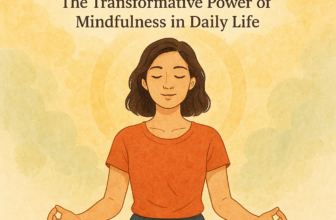
3.3 Mindfulness and Meditation
Mindfulness practices emphasizing gratitude—such as focusing on what you appreciate—allow individuals to cultivate awareness and acknowledgment of the positive aspects of life.
4. Real-Life Case Studies
Examining real-life applications of gratitude can shed light on its potent transformative powers.
4.1 Case Study: Transformation Through Journaling
Consider John, a 32-year-old financial analyst who struggled with anxiety and feelings of inadequacy. After committing to daily gratitude journaling, John reported a stark improvement in his mental health, attributing the shift to his ability to focus on positive aspects of his life.
4.2 Case Study: Impact of Gratitude Letters
Emma, an 18-year-old high school counterpart, wrote a letter to her teacher, expressing her gratitude for their support during tough times. The letter not only brought Emma joy but also strengthened her relationship with the teacher, illustrating the ripple effect of gratitude.
5. Overcoming Challenges in Practicing Gratitude
While gratitude practices are generally beneficial, individuals might encounter resistance or difficulties in embracing them fully.
5.1 Addressing Skepticism
Some may question how mere acknowledgment of positive aspects can lead to substantial change. Research suggests that understanding the psychology behind gratitude can help overcome this skepticism.
5.2 Handling Life Challenges
Practicing gratitude during crises—or finding things to be thankful for in difficult times—can foster resilience. A shift in perspective can enable individuals to find meaning or silver linings.
6. FAQ Section
Q: What are some simple gratitude practices I can start today?
A: You can start with a gratitude journal, write gratitude letters, or practice a daily gratitude meditation for just a few minutes.
Q: Can gratitude really make a difference in my mental health?
A: Yes, numerous studies demonstrate that gratitude practices can lead to significant improvements in mental health, including reduced symptoms of anxiety and depression.
Q: How much time should I dedicate to gratitude practices daily?
A: Even a few minutes a day can make a notable difference. Consistency is key, so find a duration that fits your routine—whether it’s five minutes or twenty.
7. Resources for Further Exploration
| Source | Description | Link |
|---|---|---|
| The Greater Good Science Center | A comprehensive site on research about gratitude and its effects on well-being. | Visit |
| Positive Psychology Program | Offers resources and articles about implementing gratitude practices in daily life. | Visit |
| Psychology Today | Articles and insights on the psychological aspects of gratitude. | Visit |
8. Future Trends in Gratitude Research
The field of gratitude research is evolving, exploring its intersection with technology, mental health, and community well-being. Trends indicate a growing interest in how digital applications can foster gratitude through reminders, journaling prompts, and community sharing.
8.1 The Role of Digital Applications
Apps dedicated to gratitude, such as “Gratitude Journal” or “Presently,” are gaining popularity. These platforms help users keep track of their daily gratitudes, making the experience more interactive.
8.2 Integrating Gratitude in Therapy
As practitioners seek to incorporate holistic methods for improving mental health, gratitude practices are being recognized as valuable tools in therapeutic settings.
Conclusion
Gratitude offers more than a fleeting moment of thankfulness; it has the power to reshape our mental landscape and overall quality of life.
The studies, practical exercises, and testimonies surveyed in this article indicate that embracing gratitude can profoundly transform our well-being. As we advance, continued curiosity around gratitude, its implications, and its integration into daily life or therapeutic settings will likely yield even deeper insights.
Disclaimer
This article is intended for informational purposes only and does not constitute medical or psychological advice. Individuals seeking to incorporate gratitude practices into their lives should consider consulting licensed professionals for personalized guidance.