Natural Approaches to Lowering High Blood Pressure: Effective Remedies for a Healthier Heart
High blood pressure, or hypertension, is a common condition that affects millions of people worldwide. It is often dubbed a “silent killer” because it typically presents no noticeable symptoms until significant damage has been done to the heart, blood vessels, or other organs. Fortunately, there are several natural approaches that can effectively manage and lower blood pressure, promoting a healthier heart.
1. Understanding High Blood Pressure
High blood pressure occurs when the force of the blood against the walls of the arteries is consistently too high. Normal blood pressure is considered to be around 120/80 mmHg. Blood pressure readings above this may indicate prehypertension or hypertension depending on the severity.
There are two stages of high blood pressure:
- Elevated Blood Pressure: Systolic (top number) between 120-129 mmHg and diastolic (bottom number) less than 80 mmHg.
- Hypertension: Systolic of 130 mmHg or higher, or diastolic of 80 mmHg or higher.
Common causes of hypertension include high salt intake, obesity, lack of physical activity, and stress. Understanding these factors is essential to effectively manage the condition.
2. Lifestyle Changes to Lower Blood Pressure
Making certain lifestyle changes can have a significant impact on blood pressure levels:
2.1. Regular Physical Activity
Engaging in regular physical activity, such as aerobic exercises, can help lower blood pressure. Activities such as walking, jogging, swimming, and cycling for at least 150 minutes a week can improve heart health.
2.2. Weight Management
Maintaining a healthy weight is crucial. Weight loss of even a small amount (5-10% of body weight) can significantly lower blood pressure.
2.3. Healthy Diet
A diet rich in fruits, vegetables, whole grains, and lean proteins can contribute to heart health. The DASH diet (Dietary Approaches to Stop Hypertension) is particularly effective and emphasizes:
- Increased intake of potassium-rich foods (e.g., bananas, sweet potatoes, spinach)
- Reduced sodium intake (aiming for less than 2,300 mg, ideally 1,500 mg)
- Limiting saturated fats and cholesterol
2.4. Reduced Alcohol and Smoking
Limiting alcohol consumption and quitting smoking can have profound effects on blood pressure. Alcohol should be consumed in moderation, and smoking cessation leads to immediate health benefits.
2.5. Stress Reduction Techniques
Chronic stress contributes to high blood pressure. Implementing stress reduction techniques such as yoga, meditation, or deep breathing exercises can help manage both stress and blood pressure levels.
3. Herbal Remedies and Supplements
Certain herbs and dietary supplements have been shown to have a positive impact on blood pressure:
3.1. Garlic
Garlic is well-known for its heart health benefits, particularly in reducing blood pressure. Allicin, a compound found in garlic, can help improve blood flow and reduce arterial stiffness.
3.2. Omega-3 Fatty Acids
Omega-3 fatty acids, found in fish oil and flaxseeds, are known to reduce blood pressure and inflammation. Regular consumption can enhance heart health.
3.3. Hibiscus Tea
Studies suggest that hibiscus tea may effectively lower blood pressure due to its high antioxidant content and ability to improve arterial function.
3.4. Coenzyme Q10 (CoQ10)
This antioxidant has been shown to lower blood pressure and is often used in supplements to support heart health.
4. Integrative Approaches: Mind-Body Connection
The mind-body connection plays a crucial role in managing blood pressure:
4.1. Meditation and Mindfulness
Regular practice of meditation can help lower stress levels, which are beneficial for blood pressure management. Mindfulness techniques focus on being present in the moment, reducing anxiety, and improving overall well-being.
4.2. Yoga
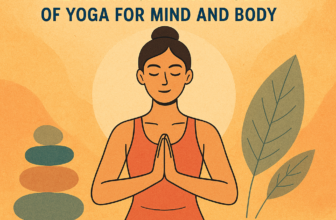
Yoga combines physical activity with breath control and meditation, offering a holistic approach to stress relief and blood pressure reduction.
4.3. Tai Chi and Qigong
These gentle forms of martial arts promote relaxation, flexibility, and mental tranquility, contributing to lower blood pressure levels.
5. Case Studies: Real-Life Applications
Examining specific cases can provide insights into how natural approaches work in practice:
5.1. Case Study 1: John’s Transformation
John, a 54-year-old man with a family history of hypertension, adopted a lifestyle overhaul after receiving his diagnosis:
- Physical Activity: He began walking for 30 minutes every day.
- Diet: Switched to a DASH diet, focusing on fruits, vegetables, and whole grains.
- Weight Loss: Lost 15 pounds within six months.
Result: John's blood pressure dropped from 145/92 mmHg to 125/80 mmHg within one year.
5.2. Case Study 2: Maria’s Journey
Maria, a 60-year-old woman, dealt with stress-related hypertension:
- Meditation: Started practicing mindfulness meditation for 15 minutes daily.
- Yoga: Joined a weekly yoga class to foster relaxation.
Result: Maria observed a decrease in her blood pressure from 140/88 mmHg to 130/79 mmHg over six months.
6. Frequently Asked Questions (FAQ)
Q: What are the normal levels for blood pressure?
A: Normal blood pressure is generally considered to be around 120/80 mmHg.
Q: Can lifestyle changes alone lower blood pressure?
A: Yes! Many individuals can effectively lower their blood pressure through lifestyle changes such as diet and exercise.
Q: Are there any side effects of herbal remedies?
A: While herbal remedies are natural, they can still have side effects and may interact with medications. It's essential to consult a healthcare provider before starting any new supplement.
Q: How quickly can I see results from these natural methods?
A: Some people may see improvements in their blood pressure within a few weeks of implementing lifestyle changes; however, it varies by individual.
Q: Is it safe to stop taking blood pressure medication if I choose natural remedies?
A: Never stop taking prescribed medication without consulting your healthcare provider, as abrupt changes can be dangerous.
7. Resources for Further Learning
| Source | Description | Link |
|---|---|---|
| The American Heart Association | Comprehensive information on hypertension management and heart health. | heart.org |
| The DASH Diet | Details about the Dietary Approaches to Stop Hypertension. | nhlbi.nih.gov |
| National Institutes of Health (NIH) | Research articles and resources on blood pressure. | nih.gov |
| World Health Organization | Global guidelines on hypertension prevention and management. | who.int |
| Mayo Clinic | Advice on lifestyle changes and hypertension management. | mayoclinic.org |
Conclusion
In conclusion, effectively managing high blood pressure through natural methods involves a holistic approach that incorporates lifestyle changes, dietary modifications, and integrative practices. Regular physical activity, a well-balanced diet, weight management, stress reduction, and herbal remedies can significantly contribute to a healthier heart. Consulting with healthcare professionals for personalized advice remains crucial.
As our understanding of hypertension evolves, ongoing research will further illuminate natural remedies and their implementation in clinical practice. Exploring areas such as the gut-heart connection and emerging herbal treatments may lead to innovative solutions for hypertension management.
Disclaimer
The information provided in this article is for informational purposes only and is not intended to serve as medical advice. Always consult a healthcare professional before making any changes to your health regimen, especially if you have existing medical conditions or are taking medications.