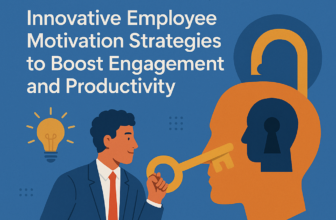
Beyond Surveys: Innovative Metrics for Gauging Employee Engagement
Introduction
In today's dynamic work environment, traditional employee engagement surveys often fail to capture the complexities of employee sentiment and motivation. As workplaces evolve, organizations must explore innovative metrics for gauging employee engagement that provide deeper insights into the factors influencing employee satisfaction and productivity. This article delves into various metrics that go beyond conventional surveys, offering organizations the tools they need to drive engagement and foster a positive work culture.
Section 1: Understanding Employee Engagement Metrics
What are Employee Engagement Metrics?
Employee engagement metrics are quantitative and qualitative measures that assess the level of commitment and connection employees feel towards their organization. Traditional surveys typically measure factors such as job satisfaction and organizational commitment. However, to gain a more holistic view, businesses must integrate a variety of metrics.
These may include innovative approaches like psychological safety, real-time feedback, and peer recognition. Businesses should recognize metrics are not solely about measurement but also about improvement and understanding the workforce better.
The Importance of Tracking Engagement
Tracking employee engagement is crucial for several reasons:
- Retention: High engagement levels correspond with lower employee turnover, saving organizations recruitment and training costs.
- Productivity: Engaged employees often exhibit higher levels of productivity, leading to better business outcomes.
- Workplace Culture: Engagement metrics contribute to a vibrant culture, fostering community and collaboration among staff.
- Feedback Loop: Understanding engagement levels can inform leadership decisions and strategies for organizational development.
Section 2: Psychological Safety as an Engagement Metric
Defining Psychological Safety
Psychological safety refers to a work environment where employees feel safe to express their ideas, ask questions, and admit mistakes without fear of negative consequences. This metric can play a critical role in promoting employee engagement and fostering innovation within the workplace.
According to Daniel Coyle, author of “The Culture Code,” teams that exhibit high psychological safety are more likely to engage in open communication, leading to improved collaboration and, ultimately, organizational success.
Measuring Psychological Safety in the Workplace
Organizations can measure psychological safety through various methods, including:
- Focus Groups: Conducting small discussions can help gauge the sentiments of team members.
- Anonymous Surveys: These allow employees to express concerns without fear.
- Behavioral Observations: Managers can take notes on team dynamics and communication patterns during meetings.
Utilizing these approaches helps provide a nuanced understanding of the psychological safety climate within an organization.
Section 3: Real-time Feedback Mechanisms
Why Real-time Feedback Matters
Real-time feedback enhances the traditional annual performance review process. It promotes continuous conversation between employees and management, allowing for immediate recognition of both positive contributions and areas needing improvement. This proactive approach to feedback can significantly enhance employee engagement by making employees feel valued and supported.
Implementing a real-time feedback culture instills accountability and encourages employees to take ownership of their contributions.
Tools for Real-time Feedback
Several tools can facilitate real-time feedback processes, including:
- Feedback Platforms: Tools like TINYpulse or Lattice allow employees to provide feedback in real-time.
- Performance Management Software: Solutions such as BambooHR help managers and employees track progress and provide timely feedback.
- Instant Messaging Applications: Platforms like Slack can facilitate spontaneous feedback conversations among team members.
Using these tools cultivates an atmosphere of openness and encourages dialogue around engagement.
Section 4: Employee Net Promoter Score (eNPS)
What is eNPS?
The Employee Net Promoter Score (eNPS) is a straightforward metric used to measure employee loyalty and engagement by asking one key question: “On a scale from 0 to 10, how likely are you to recommend this company as a place to work?” Employees who respond with a 9 or 10 are considered promoters, while those who provide a score of 0 to 6 are deemed detractors.
This metric can provide organizations with insights into employee sentiment at a glance.
How to Implement eNPS
Organizations can implement eNPS through a structured process:
- Conduct the eNPS survey quarterly or biannually to track changes over time.
- Analyze the results to identify trends and areas for improvement.
- Act on feedback by addressing concerns raised by detractors while also understanding the drivers behind promoters’ satisfaction.
- Communicate results to the organization to promote transparency.
eNPS is an effective tool to gauge employee engagement and tailor strategies accordingly.
Section 5: Predictive Analytics in Employee Engagement
Overview of Predictive Analytics
Predictive analytics involves using historical data, statistical algorithms, and machine learning techniques to identify the likelihood of future outcomes. In the context of employee engagement, predictive analytics can help organizations anticipate employee turnover, identify engagement trends, and establish proactive measures to address potential issues before they escalate.
Data-driven decision-making applications improve overall workforce engagement by applying insights generated through analytics.
Case Studies of Predictive Analytics
Organizations like IBM have successfully implemented predictive analytics to improve employee engagement. By analyzing past employee patterns and feedback, they’ve been able to prevent turnover by recognizing employees who may become disengaged. This has directly contributed to increased overall satisfaction and productivity levels.
Section 6: The Role of Peer Recognition
How Peer Recognition Influences Engagement
Recognizing peers is a powerful method for improving employee engagement. When employees see their efforts acknowledged by colleagues, it fosters a workplace culture that values collaboration and shared successes. Peer recognition initiatives lead to increased morale, greater job satisfaction, and improved performance overall.
Companies that implement formal peer recognition programs have noted significant improvements in employee engagement, showcasing that recognition is not solely a management initiative but a collective responsibility.
Platforms for Peer Recognition
Several platforms facilitate effective peer recognition, including:
- Bonusly: A platform that rewards peer recognition with points redeemable for rewards.
- Kazoo: It combines recognition, performance management, and onboarding into one platform.
- 15Five: Offers a simple way for employees to give and receive praise.
By promoting recognition among peers, organizations can leverage a culture of appreciation that positively influences overall engagement.
Section 7: Gamification as an Engagement Tool
Understanding Gamification
Gamification refers to incorporating game-like elements in non-game settings, such as workplaces, to enhance engagement and motivation. This method can be particularly effective in providing immediate feedback, setting goals, and achieving milestones within the workplace, thereby influencing employee engagement positively.
By combining fun with productivity, gamification encourages participation and can change behaviors over time.
Implementing Gamification Strategies
Organizations looking to implement gamification strategies can adopt various techniques:
- Points Systems: Award points for completing tasks, achieving goals, or participating in engagement initiatives.
- Leaderboards: Establish friendly competition through visible leaderboards to motivate employees.
- Reward Milestones: Celebrate employee achievements through badges or other forms of recognition.
Implementing gamification tactics can yield remarkable results in driving engagement and enhancing overall workplace satisfaction.
Section 8: Employee Experience Index (EXI)
What is EXI?
The Employee Experience Index (EXI) is a metric designed to measure the overall experience and satisfaction employees have during their career within an organization. A high EXI reflects a positive work environment and highly engaged employees. Factors such as organizational culture, leadership, job design, and employee feedback contribute to an employee's overall experience.
Organizations focusing on EXI are better positioned to improve engagement levels and enhance retention rates over time.
Using EXI for Continuous Improvement
To leverage EXI effectively, organizations should:
- Conduct regular assessments to gauge employee sentiment and experiences.
- Create a responsive framework that addresses feedback and identifies key areas for improvement.
- Encourage open dialogue around the employee experience and engage employees in the improvement process.
Continuous monitoring and improvement based on EXI can lead to transformational changes in employee engagement and satisfaction levels.
Q&A Section
Here are some common questions related to innovative metrics for gauging employee engagement:
- Q: Why are traditional surveys not enough for measuring employee engagement?
A: Traditional surveys often fail to capture real-time data and may miss underlying sentiments. Innovative metrics like psychological safety and real-time feedback provide a more comprehensive view of engagement.
- Q: How can predictive analytics be utilized in employee engagement?
A: Predictive analytics can analyze past employee behaviors and patterns to anticipate future engagement trends, helping organizations to preemptively address potential issues.
- Q: What role does peer recognition play in employee engagement?
A: Peer recognition fosters collaboration and workplace camaraderie, boosting morale and job satisfaction, which positively impacts overall engagement levels.
FAQ Section
Below are frequently asked questions regarding innovative metrics for gauging employee engagement:
- Q: What are some examples of innovative employee engagement metrics?
A: Beyond traditional surveys, metrics like eNPS, EXI, real-time feedback, and psychological safety are vital in measuring employee engagement.
- Q: How frequently should I measure employee engagement using innovative metrics?
A: Regular assessments, such as quarterly or biannual checks, enable organizations to track engagement trends and address issues promptly.
- Q: Can gamification genuinely improve employee engagement?
A: Yes, by making work processes more engaging and rewarding, gamification can significantly enhance employee motivation and participation.
- Q: What tools can support the implementation of real-time feedback?
A: Platforms like TINYpulse and Lattice are among the many tools that facilitate real-time feedback channels.
- Q: Why should organizations invest in measuring innovative metrics for engagement?
A: Organizations that prioritize innovative engagement metrics can create a more satisfying work environment, leading to enhanced retention, productivity, and a positive company culture.
Resources
| Source | Description | Link |
|---|---|---|
| TINYpulse | Feedback tool for employee engagement | Visit |
| Lattice | Performance management and feedback platform | Visit |
| BambooHR | HR software that includes performance management | Visit |
| IBM Watson Talent | Predictive analytics for employee engagement | Visit |
| Bonusly | Peer recognition and reward platform | Visit |
Conclusion
In an era where employee engagement is more critical than ever, exploring innovative metrics beyond traditional surveys is essential for organizations aiming to foster a fulfilling workplace. From psychological safety and real-time feedback to peer recognition and gamification, each metric provides unique insights into employee engagement. By leveraging these innovative tools, organizations can cultivate a motivated, committed, and high-performing workforce that drives success.
Disclaimer
This article was created with assistance from artificial intelligence (AI) to enhance research and drafting efficiency. All content has been reviewed and refined by human contributors.