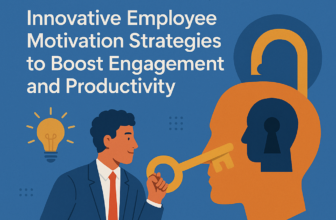
Embracing Flexibility: How Younger Generations are Redefining Work Culture
Introduction
In today's dynamic landscape, younger generations are at the forefront of changes in work culture. They bring a fresh set of expectations and preferences that are reshaping traditional employment norms. This article delves into how younger professionals are embracing flexibility, redefining work-life balance, and transforming the workplace into a more adaptive environment.
Section 1: The Shift Toward Flexibility
Changing Expectations
The growing desire for flexibility in work hours and locations is reshaping the employer-employee relationship. The traditional 9-to-5 office setup is becoming increasingly outdated as younger generations prioritize work-life harmony. Research indicates that over 80% of millennials and Gen Z workers value flexibility as a key reason for choosing their employer, indicating this shift’s profound impact on hiring and retention strategies.
Impact of Technology
Advancements in technology play a crucial role in facilitating flexible work. Cloud computing, collaboration tools, and project management software have made it easier for teams to work remotely without sacrificing productivity. Platforms like Slack and Zoom have become vital in maintaining communication and collaboration among distributed teams.
Section 2: Remote Work Revolution
Rise of Telecommuting
Telecommuting has emerged as a major trend, with organizations adopting remote work policies to accommodate the demands of younger generations. Companies are discovering that offering remote work options not only attracts talent but can lead to significant cost savings in office space and overhead.
Balancing Work-Life
For younger employees, work-life balance goes beyond merely having time away from work. It encompasses the ability to blend personal and professional responsibilities. This mentality fosters a more productive and engaged workforce, leading to innovative thinking and job satisfaction.
Section 3: Generational Perspectives on Work
Millennials vs. Gen Z
While both millennials and Generation Z prioritize flexibility, their perspectives on work differ significantly. Millennials often seek meaningful work and opportunities for growth, while Gen Z focuses on job security and benefits. Understanding these differences is essential for employers seeking to create inclusive workplaces.
Value Systems in the Workplace
Younger generations place substantial importance on company values and social responsibility. Organizations that align their practices with environmental sustainability and community engagement are more likely to attract and retain employees from these generational cohorts.
Section 4: The Role of Employers
Fostering a Flexible Workspace
Employers must embrace flexible work practices to stay competitive. This includes offering varied work schedules, remote work options, and opportunities for personal time. Forward-thinking organizations are already revising their employee handbooks to reflect these changes and promote a culture of trust and responsibility.
Attracting Top Talent
Offering flexibility is not just a perk; it's a strategy to attract top talent in a labor market increasingly dominated by younger generations. Companies that provide flexibility in how and where work is done tend to draw candidates who prioritize a good work-life balance.
Section 5: Benefits of a Flexible Work Culture
Increased Productivity
Numerous studies showcase that flexible work arrangements can boost employee productivity. Workers with the liberty to choose their work environment are more engaged and motivated. A flexible schedule allows them to align their work hours with their peak productivity times, resulting in higher-quality output.
Employee Well-Being
Flexibility contributes to employee well-being, reducing burnout and improving mental health. Organizations that invest in flexible work arrangements often report lower absenteeism and higher morale, translating to a more dedicated workforce.
Section 6: Challenges in Implementing Flexibility
Managing Remote Teams
While embracing flexibility brings many benefits, it also presents challenges, especially in managing remote teams. Leaders may struggle with ensuring team cohesion and maintaining communication. It requires proactive management strategies to foster a collaborative atmosphere in a remote setting.
Cultural Shifts
Transitioning to a flexible work model demands cultural changes within organizations. It’s essential to cultivate a culture that prioritizes trust and autonomy while providing the necessary tools and resources for remote collaboration.
Section 7: Real-Life Examples of Flexibility
Case Study: Company X
Company X, a tech startup, embraced flexible work policies and saw a 40% increase in employee satisfaction within the first year. They implemented options for remote work and flexible hours, allowing staff to tailor their schedules based on their unique workstyle preferences.
Innovative Practices
Many organizations have adopted innovative practices, like unlimited vacation policies, which encourage employees to take time off when needed without the fear of falling behind in their workload. Such initiatives have proven effective in enhancing employee morale and loyalty.
Section 8: Future Trends in Work Culture
AI and Work Flexibility
The integration of artificial intelligence (AI) in the workplace is set to expand the possibilities of flexible work. Tools powered by AI can help manage workloads, automate tasks, and provide analytics to optimize remote team performance.
The Future Workforce
As newer generations enter the workforce, we can expect a continued push for flexibility in work models. Organizations that fail to adapt may struggle to attract the talent they need, highlighting the importance of evolving workplace policies to meet these emerging expectations.
Q&A Section
This section outlines some common questions related to how younger generations are embracing flexibility in the workplace.
- What is meant by flexible work culture? Flexible work culture refers to a work environment that allows employees the freedom to choose when, where, and how they work based on their productivity and lifestyle needs.
- How do younger generations view work-life balance? Younger generations prioritize work-life balance and seek workplaces that offer flexibility in their work arrangements, impacting their employment choices.
- Does flexibility improve employee retention? Yes, many studies indicate that offering flexible work options increases employee retention, as workers feel valued and trusted.
- How can employers support flexible work? Employers can support flexibility by implementing policies that allow for remote work, flexible hours, and open communication channels.
- What is the relationship between flexibility and productivity? There is a positive relationship, as employees who have the freedom to customize their work experience are often more engaged and productive.
FAQ Section
Here are five frequently asked questions related to embracing flexibility in work culture:
- What benefits does a flexible work environment provide? A flexible work environment can lead to improved job satisfaction, enhanced productivity, and reduced employee turnover.
- How important is work-life balance in modern workplaces? Work-life balance is critical in modern workplaces as it directly influences employee well-being and overall job performance.
- What role does leadership play in enabling flexibility? Leadership is crucial in promoting a culture of flexibility by supporting policies that empower employees and fostering an open and trusting environment.
- How can technology facilitate flexible work? Technology enables flexible work by providing tools for communication, collaboration, and project management that allow teams to work efficiently from anywhere.
- How are younger generations reshaping work culture through flexibility? Younger generations are reshaping work culture by prioritizing flexibility, demanding new work arrangements that align with their personal values and lifestyles.
Resources
| Source | Description | Link |
|---|---|---|
| Harvard Business Review | Insights on the future of Flexible Work Arrangements | hbr.org |
| McKinsey & Company | The importance of remote work in the post-pandemic era | mckinsey.com |
| Workplace flexibility statistics and employee preferences | linkedin.com | |
| Forbes | Trends in flexible work arrangements | forbes.com |
| Gallup | Employee Engagement and Flexibility | gallup.com |
Conclusion
Adapting to the changing work preferences of younger generations is crucial for organizations seeking long-term success. By embracing flexibility, businesses not only enhance employee satisfaction but also foster innovation and productivity. As we move further into the future, those embracing this change will be better positioned to thrive in a competitive job market.
Disclaimer
This article was created with assistance from artificial intelligence (AI) to enhance research and drafting efficiency. All content has been reviewed and refined by human contributors.