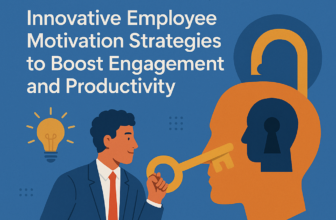
Empowering Engagement: The Transformative Power of Feedback in the Workplace
Introduction
Feedback plays a crucial role in empowering engagement within the workplace. Whether it is providing an employee with constructive criticism or acknowledging their accomplishments, feedback serves as a foundational element of communication and development in any organization. In this article, we explore the transformative power of feedback, detailing its significance, best practices, effective tools, and real-life implications.
Section 1: Understanding Feedback
What is Feedback?
Feedback can be defined as information provided about an individual’s performance or understanding, guiding them towards improvement or recognition. It is a two-way communication process—where input is given and received—that drives personal and organizational growth.
Types of Feedback
Feedback can be categorized into different types, including:
- Positive Feedback: Encouragement and reinforcement of good performance.
- Constructive Feedback: Suggestions for improvement, focused on behavior rather than the individual.
- Peer Feedback: Insights from colleagues at the same level, fostering a collaborative environment.
- 360-Degree Feedback: Comprehensive feedback gathered from all levels within an organization.
Section 2: The Importance of Feedback
Enhancing Employee Engagement
Effective feedback mechanisms significantly enhance employee engagement by making employees feel valued in their roles. When employees receive recognition for their efforts, they are more likely to contribute positively within the workplace.
Boosting Productivity
Moreover, feedback helps identify areas for improvement, thus boosting overall productivity. Employees equipped with insights into their performance can make necessary adjustments and strive for targeted goals.
Section 3: How to Give Effective Feedback
Best Practices
Delivering effective feedback is essential for it to be received and acted upon positively. Some best practices include:
- Be specific and focused on behaviors rather than personal attributes.
- Encourage a dialogue instead of just delivering a monologue.
- Follow up on discussions to ensure understanding and promote growth.
- Utilize the “sandwich” method: start with positive feedback, address areas for improvement, and finish on a positive note.
Common Pitfalls to Avoid
Avoiding common pitfalls can make feedback sessions more effective:
- Avoid vague language that can lead to confusion.
- Don’t solely focus on negative aspects.
- Refrain from overloading employees with excessive information at once.
Section 4: Receiving Feedback Gracefully
Mindset for Receiving Feedback
An important aspect of feedback engagement is the mindset with which individuals receive feedback. Adopting a growth mindset allows employees to view feedback as a valuable tool for growth rather than criticism.
Actioning Feedback
After receiving feedback, taking actionable steps is crucial. This involves evaluating the suggestions provided and creating an action plan for improvement, thus enhancing personal performance.
Section 5: Feedback Tools and Technologies
Digital Platforms for Feedback
Various tools have emerged that facilitate feedback processes. Digital platforms, like Qualtrics and Lattice, enable organizations to gather and analyze feedback efficiently.
Anonymous Feedback Tools
Anonymous tools such as 15Five allow employees to provide honest feedback without fear of repercussion, fostering an environment of trust and transparency.
Section 6: Creating a Culture of Feedback
Building Trust and Openness
Institutionalizing a feedback-rich culture requires establishing trust. This can be achieved through transparency in communication and relationship-building across different levels of the organization.
Training and Development
Investing in training programs that focus on feedback skills for both giving and receiving can elevate the quality of interactions in the workplace.
Section 7: Real-life Examples and Case Studies
Case Study: Company X
Company X implemented a rigorous feedback loop that not only enhanced employee engagement but also increased productivity by 25%. By incorporating tools such as 360-degree feedback and regular check-ins, employees felt empowered and valued.
Lessons Learned
This case study underscores the necessity of feedback in achieving organizational growth. The direct impact on employee morale and overall company performance highlights the validity of embedding feedback in everyday practices.
Q&A Section
In this section, we address several common questions regarding feedback in the workplace:
- How often should feedback be given? Feedback should be continuous and not limited to annual reviews.
- What if feedback is not well-received? Encourage a growth mindset and provide additional support for understanding.
- How can I foster a culture of feedback? Promote open communication and provide training for giving and receiving feedback.
FAQ Section
What is the transformative power of feedback?
The transformative power of feedback lies in its ability to encourage improvement, enhance engagement, and promote a positive workplace culture.
How can I make feedback more effective?
To increase the effectiveness of feedback, ensure specificity, foster dialogue, and make it a regular part of workplace culture.
What tools are ideal for giving feedback?
Tools such as 15Five, Qualtrics, and Lattice are designed to collect, analyze, and streamline feedback processes.
Can feedback affect employee retention?
Yes, employees who feel valued and understood through constructive feedback are more likely to remain with an organization.
Why is feedback essential for engagement?
Feedback is essential for engagement as it clarifies expectations, fosters communication, and helps employees feel supported in their roles.
Resources
| Source | Description | Link |
|---|---|---|
| Qualtrics | Employee feedback management platform | Website |
| Lattice | Performance management software | Website |
| 15Five | Continuous feedback and performance management tool | Website |
| SHRM | Society for Human Resource Management – various resources on feedback | Website |
| Gallup | Insights on employee engagement and feedback | Website |
Conclusion
Feedback is not merely a managerial tool but a fundamental pillar of workplace engagement and organizational performance. By fostering a culture of constructive feedback, organizations can empower their employees, enhance productivity, and ultimately lead to long-term success.
Disclaimer
This article was created with assistance from artificial intelligence (AI) to enhance research and drafting efficiency. All content has been reviewed and refined by human contributors.