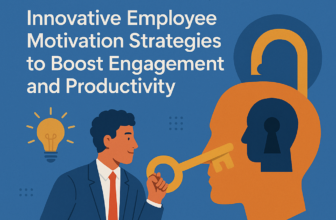
Empowering the Workforce: Emerging Trends in Employee Motivation for the Modern Workplace
Introduction
The modern workplace is evolving at an unprecedented speed, with employee motivation emerging as a crucial factor impacting productivity, engagement, and overall organizational success. Companies today are recognizing that traditional methods of motivation—salary alone, for example—no longer suffice. To attract and retain top talent, businesses are turning towards innovative motivational strategies. This article explores emerging trends in employee motivation that are reshaping the workforce and ensuring workplaces are not only productive but also fulfilling environments.
Section 1: Understanding Employee Motivation
What is Employee Motivation?
Employee motivation refers to the level of energy, commitment, and creativity that a company's workers bring to their jobs. Motivated employees are essential for not only achieving higher productivity but also nurturing a competitive edge in today's market. Motivation can stem from several sources, including financial incentives, workplace environment, and personal growth opportunities.
The Psychology Behind Motivation
Delving into the psychological aspects of motivation reveals multiple theories, such as Maslow's Hierarchy of Needs, which posits that humans have five levels of needs: physiological, safety, love/belonging, esteem, and self-actualization. Understanding these needs is vital for addressing what truly motivates employees and identifying the best emergent trends in employee motivation that can fulfil these needs.
Section 2: The Importance of Motivation in the Workplace
Benefits of a Motivated Workforce
A motivated workforce results in numerous benefits for organizations, including:
- Increased Productivity: Motivated employees perform better and are more efficient, leading to higher output.
- Lower Turnover Rates: Employees who feel valued are less likely to leave, saving companies time and money on recruitment and training.
- Enhanced Team Collaboration: Motivation fosters a positive culture, encouraging teamwork and collaboration among employees.
- Improved Employee Well-Being: A motivated workforce translates into happier employees, fostering a healthy work environment.
Consequences of Low Motivation
On the flip side, low motivation can lead to detrimental outcomes for an organization, including:
- Decreased Productivity: Disinterested employees are less productive, which can stagnate or even hinder organizational growth.
- Increased Absenteeism: Unmotivated employees may take more sick days or engage in presenteeism, ultimately affecting team dynamics.
- Negative Work Culture: A lack of motivation can create a toxic work environment, where negativity breeds among employees, impacting morale.
Section 3: Emerging Trends in Employee Motivation
Flexible Work Environments
Flexible work environments, including remote work options, are becoming increasingly popular as a motivational tool. Giving employees the choice to work from home or set their hours can lead to improved job satisfaction and productivity. Research indicates that flexibility is a significant factor in employee retention; workers often prefer workplaces that offer a balanced approach to work and personal life.
Gamification and Incentives
Gamification applies gaming principles to non-gaming environments, transforming tasks into engaging experiences. Companies are introducing elements like leaderboards, rewards systems, and challenges. Such initiatives tap into employees’ basic human desires for achievement and recognition, creating an energized workforce. Brands like Nike have effectively employed gamification, encouraging users to engage through gamified fitness challenges, boosting motivation significantly.
Section 4: Technology's Role in Employee Motivation
Digital Platforms for Engagement
Technology platforms that foster communication and feedback are instrumental in motivating employees. Tools like Slack, Microsoft Teams, and Asana help facilitate effective communication and collaboration. Strong communication tactics can drive motivation, as employees feel more connected and valued within the organization.
AI and Personalization
Artificial Intelligence plays a significant role in tailoring motivation strategies to individual preferences. Through analyzing employee performance data, AI can help managers understand what motivates each employee and provide bespoke incentives. Personalization in motivation strategies can significantly enhance employee engagement and satisfaction.
Section 5: Real-life Examples of Employee Motivation Strategies
Case Study: Google’s Employee Welfare Programs
Google is well-known for its unique approach to employee welfare, integrating extensive employee motivation strategies that promote a positive workplace. Offering perks such as free meals, fitness facilities, and flexible work arrangements reflects their commitment to employee well-being. Such initiatives create a motivated workforce, with Google routinely ranking highly in employee satisfaction surveys.
Case Study: Zappos and Company Culture
Zappos, the online shoe and clothing retailer, has become a case study in maintaining high employee motivation. Their focus on culture and values leads to a highly engaged workforce. The company emphasizes employee empowerment, enabling staff to make decisions within their roles. This autonomy fosters motivation and contributes to excellent customer service, reflecting the interconnectedness of employee satisfaction and customer satisfaction.
Section 6: Tools and Resources for Enhancing Employee Motivation
Motivation-Focused Apps
Several apps are designed to enhance motivation in the workplace, including:
- Motivational Mondays: Encourages positive narratives and reflections to kickstart the week.
- Myteamworks: Utilizes gamified principles to encourage teamwork and enhanced engagement.
- Peach: A feedback and recognition app that fosters peer recognition to improve morale.
Online Courses and Webinars
Many platforms offer courses that focus on building motivation within teams. Notable resources include:
- Coursera: A platform providing courses on management and employee engagement.
- Udemy: Offers courses on motivation strategies for managers.
- LinkedIn Learning: Focuses on the latest management trends, including employee motivation techniques.
Q&A Section
In this section, we will answer common questions related to empowering the workforce and emerging trends in employee motivation.
Q1: How can organizations assess employee motivation levels?
Organizations can utilize surveys, feedback sessions, and one-on-one meetings to gauge employee motivation levels. Implementing employee engagement surveys can also help in monitoring sentiments over time.
Q2: What role does management play in employee motivation?
Management plays a crucial role in employee motivation, as leaders set the tone for the company culture and implement motivation strategies that can support or diminish engagement levels among employees.
Q3: How often should motivation strategies be reviewed?
It's advisable to review motivation strategies at least once a year, evaluating their effectiveness and making necessary adjustments based on employee feedback and changing workplace dynamics.
Q4: Are financial incentives the best way to motivate employees?
While financial incentives can be effective, they are not the only way to motivate employees. Non-monetary strategies, such as recognition and personal growth opportunities, also play a significant role in long-term motivation.
Q5: What are some popular emerging trends in employee motivation?
Some popular trends include flexible working arrangements, gamification, and the use of technology to personalize motivational efforts aimed at enhancing employee engagement.
FAQ Section
Here are frequently asked questions regarding emerging trends in employee motivation:
- What strategies can I deploy to boost team motivation? Strategies may include offering more flexible work options, implementing recognition programs, and fostering open lines of communication.
- How can employee motivation impact overall company success? A motivated workforce can enhance productivity, reduce turnover rates, and foster a positive company culture, contributing to overall business success.
- What is the best way to measure motivation levels? Regular employee surveys and direct feedback are effective methods to measure motivation levels.
- What role does company culture play in employee motivation? Company culture heavily influences employee motivation, as a supportive and inclusive culture can significantly enhance engagement and satisfaction.
- Are there specific technologies that can enhance employee motivation? Yes, platforms that facilitate communication, collaboration, and feedback, such as Slack and Asana, can boost employee motivation.
Resources Table
| Source | Description | Link |
|---|---|---|
| Society for Human Resource Management | Latest trends and strategies for employee motivation. | Visit |
| Harvard Business Review | Research articles on employee engagement and motivation. | Visit |
| Gallup | Employee motivation studies and insights. | Visit |
| Forbes | Insights on workplace trends and employee motivation. | Visit |
| LinkedIn Learning | Courses focused on management and motivation strategies. | Visit |
Conclusion
In conclusion, as the workforce continues to evolve, the strategies for motivating employees must adapt as well. By embracing emerging trends in employee motivation—be it through technology, flexible work environments, or innovative programs—organizations can empower their workforce to achieve greater heights. A motivated employee is not only a more productive one but also a satisfied one, contributing significantly to a positive workplace culture and overall company success.
Disclaimer
This article was created with assistance from artificial intelligence (AI) to enhance research and drafting efficiency. All content has been reviewed and refined by human contributors.