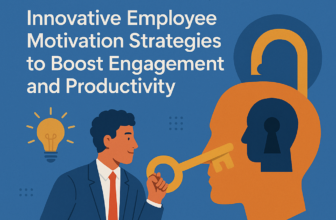
Finding Fire: 10 Strategies to Stay Motivated in a Mundane Job
Introduction
Feeling unstimulated in your job can lead to a profound sense of dissatisfaction. Many professionals find themselves stuck in what can be termed as a mundane job, where enthusiasm and motivation wane over time. This article focuses on Finding Fire: ten strategies to reignite your passion and stay motivated, ensuring your professional life remains fulfilling and productive.
Section 1: Understanding the Mundane
Recognizing the Signs of a Mundane Job
First, it's essential to identify if your job is indeed mundane. Common signs include:
- Lack of enthusiasm for daily tasks
- Feeling unchallenged and unmotivated
- Routine tasks that no longer stimulate you
- Reduced interaction with colleagues
- Physical signs of stress and fatigue
Recognizing these signs can be the first step toward taking action and finding renewed motivation.
The Impact on Professional Life
The effects of a mundane job extend beyond the workplace. When individuals are unengaged, this can lead to:
- Decreased productivity and output quality
- Higher stress levels and burnout
- Negative relationships with coworkers
- Increased job turnover
It’s crucial for both employees and employers to address these issues proactively.
Section 2: The Psychology of Motivation
Theories of Motivation
Understanding motivation is critical when addressing a lack of enthusiasm in your job. Various psychological theories explain why individuals may feel disengaged:
- Maslow's Hierarchy of Needs: This theory posits that people are motivated by a series of needs, starting from basic physical necessities to higher psychological needs.
- Herzberg's Two-Factor Theory: This highlights the difference between hygiene factors, which can lead to dissatisfaction, and motivators that lead to satisfaction.
Intrinsic vs. Extrinsic Motivation
Understanding the difference between intrinsic and extrinsic motivation can help individuals make adjustments to rekindle their interest in their work:
- Intrinsic Motivation: Comes from within, driven by personal fulfillment and enjoyment in the activity.
- Extrinsic Motivation: Involves external rewards, such as money or recognition.
By focusing on intrinsic factors, individuals are more likely to stay committed and engaged in their roles.
Section 3: Set Clear Goals
SMART Goals Framework
Setting clear, structured goals can illuminate the path forward in a repetitive job scenario. Implement the SMART criteria:
- Specific: Clearly define what you want to achieve.
- Measurable: Establish criteria for measuring progress.
- Achievable: Ensure that your goals are realistic.
- Relevant: Goals should align with your overall career objectives.
- Time-Bound: Set deadlines for your goals.
How to Track Progress
Utilizing tools such as planners, online tracking apps, or even simple spreadsheets can help document progress towards achieving your goals. Regularly reviewing and adjusting these goals boosts motivation and encourages accountability.
Section 4: Cultivate a Positive Mindset
Practicing Gratitude
The practice of gratitude can have profound effects on motivation. Regularly acknowledging the positive aspects of your job, regardless of its mundanity, shifts your mindset. Consider keeping a gratitude journal specifically for your work-related experiences.
Affirmations for Success
Employing affirmations can help instill a positive self-image and promote self-motivation. Phrases such as “I am capable of achieving my goals” can bolster confidence, prompting a proactive approach to daily tasks.
Section 5: Upskill and Reskill
Identifying Skills to Improve
Analyze your current skill set and identify areas for improvement. This not only helps in making the job less mundane but also prepares you for future career opportunities. Consider taking online assessments to gain insights on potential growth areas.
Resources for Learning
Numerous online platforms can assist in skill development:
- Coursera: Offers courses from various universities.
- Udemy: Features a vast array of courses across different fields.
- LinkedIn Learning: Provides courses tailored to professional development.
Section 6: Networking and Building Connections
The Power of Networking
Creating meaningful connections can greatly enhance motivation. Networking doesn’t just open the door to new opportunities but also leads to support and shared ideas that can rekindle enthusiasm for your work.
Ways to Connect
Consider the following methods:
- Joining professional organizations related to your field
- Participating in industry conferences or workshops
- Leveraging social media platforms like LinkedIn to connect with peers
Section 7: Seek Feedback
Understanding Constructive Criticism
Feedback is an essential aspect of professional growth. Seeking constructive criticism from supervisors or peers can provide insights into your performance and areas for improvement.
How to Accept Feedback Gracefully
Learning to accept feedback without defensiveness is crucial. Practice active listening and use it as an opportunity to grow rather than a personal attack.
Section 8: Work-Life Balance
Establishing Boundaries
A healthy work-life balance is vital for sustaining motivation. Setting boundaries around work hours and personal life can reduce burnout and keep you excited about your job.
The Role of Hobbies
Engaging in hobbies outside of work can provide a mental break, enhancing focus and creativity once back in the workplace. Consider finding activities that excite and challenge you to cultivate a well-rounded life.
Q&A Section
What is one effective method for staying motivated in a mundane job?
One effective method is setting clear, achievable goals that give you direction and purpose.
How can I communicate my feelings about my monotonous job to my boss?
It’s best to approach the conversation with a constructive mindset, focusing on your desire for growth and potential contributions rather than just dissatisfaction.
Can learning new skills really help improve job satisfaction?
Absolutely! Upskilling can lead to new responsibilities or promotions, reigniting your passion for your work.
FAQ Section
How can I find motivation in a day-to-day routine?
Consider setting daily goals, engaging in positive self-talk, and focusing on personal interests outside of work.
What should I do if my job is unfulfilling?
Evaluate your situation, consider discussing your feelings with a manager, and explore opportunities for growth and development.
What are some tools that can help with staying organized at work?
Many people find productivity tools like Trello, Asana, and Slack helpful in managing tasks and communication.
What role do colleagues play in my motivation at work?
Colleagues can provide support, feedback, and camaraderie, significantly affecting your overall job satisfaction and motivation.
Can working on a personal project help with motivation?
Yes! Personal projects can foster creativity, helping to reignite your passion for your main job as well.
Resources
| Source | Description | Link |
|---|---|---|
| MindTools | Provides a range of resources for personal development, including articles and courses on motivation. | Visit MindTools |
| Harvard Business Review | A leading resource for business insights, including motivation techniques and workplace culture. | Visit HBR |
| Psychology Today | Offers articles written by experts on various aspects of motivation and workplace psychology. | Visit Psychology Today |
| Gallup | Conducts research on employee engagement and offers resources to enhance workplace motivation. | Visit Gallup |
| Mindful | Encourages mindfulness practices to improve overall well-being and motivation in a working environment. | Visit Mindful |
Conclusion
Finding motivation in a mundane job is not just about adjusting your work habits; it's about reshaping your mindset, setting clear goals, and engaging with your professional environment in a meaningful way. By incorporating these 10 strategies, you can definitely find your fire and make your work life significantly more rewarding.
Disclaimer
This article was created with assistance from artificial intelligence (AI) to enhance research and drafting efficiency. All content has been reviewed and refined by human contributors.