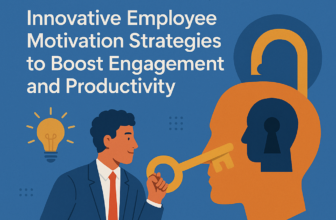
Flexibility at Work: How Embracing a Flexible Work Environment Boosts Employee Motivation and Productivity
Introduction
In recent years, the concept of flexibility at work has gained immense traction. The traditional 9-to-5 work model is gradually being replaced by more adaptable arrangements, allowing employees to work in ways that suit their individual needs and lifestyles. This change has been driven by advancements in technology, shifting societal expectations, and a growing recognition of the importance of work-life balance.
This article delves into how embracing a flexible work environment boosts employee motivation and productivity. We will explore the various types of flexible work arrangements, their benefits for both employees and organizations, strategies for implementation, and the challenges faced along the way. By the end of this comprehensive guide, you will have a clear understanding of why flexibility at work is not merely a perk but a crucial factor in fostering a motivated and productive workforce.
Section 1: Understanding Flexibility at Work
Definition of Flexible Work Environment
A flexible work environment refers to a workplace model that allows employees to have greater control over when, where, and how they work. This can include options such as remote work, hybrid schedules, compressed workweeks, and flexible hours. Flexibility can manifest in several ways:
- Remote Work: Employees can work from locations outside of the traditional office, such as their homes or coworking spaces.
- Flexible Hours: Employees can choose their working hours, allowing them to schedule work around personal commitments.
- Compressed Workweeks: Employees can complete their work in fewer than five days, resulting in longer weekends.
Flexibility at work empowers employees to find a balance that enhances their well-being and productivity, leading to improved job performance.
Types of Flexible Work Arrangements
Organizations can implement various flexible work arrangements to meet the needs of their workforce. Some common types include:
- Telecommuting: Employees work from home or another location, reducing commuting time and offering more comfort.
- Job Sharing: Two part-time employees share responsibilities of one full-time position, promoting flexibility while ensuring coverage.
- Freelancing: Employees work on a project basis, allowing them to choose their workload and schedule.
- Flexible Scheduling: Employees have the freedom to set their hours as long as they fulfill the required work output.
Each of these arrangements can cater to different employee preferences and organizational needs, making flexibility a vital component of modern work life.
Section 2: Benefits of Flexibility for Employees
Increased Job Satisfaction
One of the most significant benefits of flexibility at work is the increase in job satisfaction among employees. When workers feel they have control over their work-life balance, they are generally happier and more fulfilled. Research has shown that employees who enjoy a high level of flexibility tend to report higher levels of job satisfaction. This, in turn, can lead to:
- Enhanced Engagement: Employees are more likely to be engaged in their work when they feel their needs are being met.
- Lower Stress Levels: Flexibility reduces stress and enables employees to manage personal commitments alongside work.
- Positive Workplace Culture: Increased job satisfaction contributes to a more positive atmosphere, fostering stronger collaboration and camaraderie.
Ultimately, increased job satisfaction correlates with lower turnover rates, as satisfied employees are less likely to seek opportunities elsewhere.
Enhanced Work-Life Balance
Flexibility at work significantly enhances the work-life balance of employees. In a world where personal and professional responsibilities often collide, offering flexible arrangements allows employees to navigate their lives with greater ease. Benefits of improved work-life balance typically include:
- Better Family Time: Employees can attend to family obligations, reducing the stress of conflicting schedules.
- Improved Mental Health: Flexibility can contribute to better mental health by reducing work-related stress.
- Increased Time for Hobbies: Employees can dedicate time to personal interests, encouraging a well-rounded lifestyle.
Companies that prioritize work-life balance are more likely to attract and retain top talent, ultimately ensuring a more productive workforce.
Section 3: Impact on Productivity
Flexibility and Performance Levels
The correlation between flexibility and productivity is increasingly becoming a focal point in organizational research. Employees who have the autonomy to choose how and when they work are often more productive. Flexibility helps employees work during their most productive hours, leading to:
- Higher Output: Employees can produce more when they work in ways that suit their individual rhythms and preferences.
- Quality of Work: A motivated and satisfied workforce tends to produce higher-quality output, significantly benefiting the organization.
- Reduced Absenteeism: Flexibility often leads to fewer sick days, as employees can manage their responsibilities more adeptly.
Numerous studies support these claims, indicating that allowing flexibility can lead to an overall increase in output and efficiency across the board.
Case Studies Showing Productivity Gains
Several organizations have successfully implemented flexible work arrangements and reported substantial productivity enhancements. For example, a well-known tech company found that productivity increased by 18% after they allowed employees to choose flexible work hours and remote work options. Another case involves a financial services firm that experienced a 20% uptick in performance metrics after introducing flexible arrangements, reinforcing the positive impact of flexibility on output.
Such case studies underscore that flexibility is not a trend but a strategic approach to enhancing both employee satisfaction and operational success.
Section 4: Organizational Benefits
Retention Rates Improvement
Employee retention is a critical concern for organizations. High turnover rates can adversely affect morale, alter corporate culture, and incur significant recruitment and training costs. Flexibility at work plays a vital role in improving retention rates. Employees who feel supported in their work-life balance are less likely to leave their jobs. Studies show that companies that embrace flexible work options enjoy significantly lower turnover, as employees prefer workplaces that cater to their individual needs.
For example, a large healthcare organization observed that introducing flexible scheduling led to a 30% decrease in turnover rates, enabling them to conserve resources and maintain experienced staff members.
Attracting Top Talent
In today’s competitive job market, attracting top talent involves providing appealing workplace benefits. Flexibility at work has emerged as a key factor in recruitment, particularly among younger generations who prioritize work-life integration. Companies that offer flexible options are more attractive to potential candidates, allowing them to stand out amongst their competitors.
Organizations that proactively implement flexibility strategies often see a more diverse pool of applicants, enabling them to select from the finest talent available and secure employees who are the best fit for their corporate culture.
Section 5: Implementing a Flexible Work Environment
Assessing Organizational Needs
Before implementing flexible work arrangements, it is crucial for organizations to assess their specific needs and evaluate which options would be most beneficial. This involves comprehensive communication with employees to understand their requirements and preferences. Key steps in this process include:
- Conducting Surveys: Gather feedback from employees regarding their interest in flexible arrangements.
- Identifying Roles Suitable for Flexibility: Analyze which positions can realistically accommodate flexible schedules without compromising service quality.
- Evaluating Current Policies: Review existing organizational policies to identify necessary adjustments or new policies to support flexibility.
A thoughtful assessment ensures that the implementation of flexibility meets both organizational goals and employee needs.
Policies for Flexibility
Establishing clear policies is essential for a successful transition to a flexible work environment. These policies should outline the parameters of flexible work arrangements and help manage expectations on both sides. Important aspects to include are:
- Eligibility Criteria: Define who qualifies for flexible arrangements based on role, performance, and individual circumstances.
- Performance Metrics: Establish how employee performance will be measured and assessed to maintain productivity standards.
- Communication Protocols: Set guidelines for how employees should communicate and collaborate while working remotely or flexibly.
Transparent policies promote trust and accountability, ensuring that both employees and management understand their responsibilities in a flexible work setting.
Section 6: Challenges and Solutions
Identifying Common Challenges
While the benefits of flexibility at work are plentiful, organizations may encounter challenges during its implementation. Common issues include:
- Resistance to Change: Employees and management may be reluctant to modify established routines.
- Communication Breakdown: Dispersed teams can lead to misunderstandings and reduced collaboration.
- Performance Monitoring Difficulties: Managers may find it more challenging to track performance without direct oversight.
Addressing these challenges is essential for the successful adoption of flexibility at work.
Strategies for Overcoming Challenges
To address potential challenges, organizations can implement various strategies, including:
- Leadership Training: Equip managers with skills to effectively lead remote or flexible teams.
- Encouraging Open Communication: Foster an environment where employees can voice concerns and share feedback about flexibility.
- Leveraging Technology: Utilize collaboration tools to ensure seamless communication and productivity across remote teams.
By proactively seeking solutions to these challenges, organizations can enhance the likelihood of a smooth transition to a flexible work environment.
Section 7: Future of Work
The Role of Technology
The future of work is intrinsically linked to advancements in technology. Digital tools have enabled remote and flexible work arrangements to become not only feasible but increasingly productive. Key technologies shaping the flexible work landscape include:
- Communication Platforms: Tools like Slack and Microsoft Teams facilitate real-time collaboration, regardless of location.
- Project Management Software: Applications like Trello and Asana help teams manage tasks efficiently.
- Cloud Computing: Services such as Google Workspace and Dropbox allow for easy document sharing and storage.
As technology continues to evolve, it will undoubtedly drive further innovations in flexibility at work.
Trends in Flexible Work Practices
The flexibility at work movement is likely to continue evolving, leading to emerging trends, such as:
- Hybrid Work Models: Many organizations will adopt hybrid models combining remote and in-office work.
- Results-Only Work Environments (ROWE): Focus on employee output rather than hours worked, granting even greater flexibility.
- Personalized Work Experiences: Tailoring flexibility options based on individual employee needs and preferences.
As the workforce transforms, staying ahead of these trends will be essential for organizations looking to embrace flexibility effectively.
Q&A Section
This section addresses some common questions about flexibility at work, shedding light on its significance and implementation.
- What is flexibility at work?
Flexibility at work refers to arrangements that allow employees to have control over when, where, and how they work. - How does flexibility boost employee motivation?
It provides employees with a sense of autonomy and control over their work-life balance, leading to increased job satisfaction and motivation. - What challenges can organizations face when adopting flexible work?
Common challenges include resistance to change, communication breakdown, and difficulties in performance monitoring. - Are flexible work arrangements effective for all types of jobs?
This varies; some roles allow for more flexibility while others require in-person attendance. - How can organizations measure the productivity of remote workers?
By establishing clear performance metrics and maintaining open communication.
FAQ Section
Here are some frequently asked questions regarding flexibility at work:
- What is considered a flexible work environment?
A flexible work environment includes remote work options, flexible hours, and alternative work arrangements that cater to individual employee needs. - How does flexibility improve productivity?
Flexibility enables employees to work during their most productive hours and manage personal commitments, leading to higher performance. - Can flexibility at work help with employee retention?
Yes, organizations that embrace flexible work often experience lower turnover rates. - What tools facilitate a flexible work environment?
Tools like communication and project management software enhance productivity among remote and flexible teams. - Is it difficult to implement flexibility in the workplace?
Challenges may arise, but with proper planning, communication, and policies, organizations can successfully implement flexibility.
Resources
| Source | Description | Link |
|---|---|---|
| Harvard Business Review | Articles on remote work and productivity. | Harvard Business Review |
| Forbes | Insights on flexible work environments and employee wellness. | Forbes |
| FlexJobs | Resources on remote and flexible job options. | FlexJobs |
| Gallup | Research on workplace engagement and productivity. | Gallup |
| SHRM | Guidelines for developing flexible work policies. | SHRM |
Conclusion
Flexibility at work is a paradigm shift that brings numerous benefits for employees and organizations alike. By allowing individuals to have more control over their work arrangements, companies can boost motivation, enhance productivity, and create a more positive workplace culture. As the future of work evolves, embracing flexibility will be key to attracting and retaining top talent, as well as ensuring long-term success.