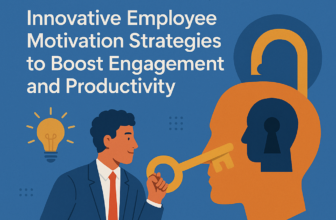
Thriving in Transition: Strategies for Adapting to Workplace Changes
Introduction
The modern workplace is subject to rapid changes driven by technology, globalization, and evolving employee expectations. Thriving in this environment requires strategic approaches to adapt to workplace changes effectively. In this article, we will explore various strategies to help individuals and organizations not just cope with transitions, but genuinely thrive during them.
Section 1: Understanding Workplace Transitions
Defining Workplace Changes
Workplace changes can be broadly categorized into structural changes, such as reorganizations, technology updates, and shifts in company culture. Each of these changes can significantly impact employee roles, expectations, and overall company morale. Understanding these categories can help individuals prepare for and navigate the transitions effectively.
Causes of Workplace Changes
The landscape of the workplace is continuously evolving. Factors driving workplace changes include technological advancements, market shifts, demographic changes, and regulatory updates. Acknowledging these drivers can help organizations anticipate changes and prepare their staff accordingly.
Section 2: The Impact of Change on Employees
Psychological Effects of Change
Change can elicit a range of emotional responses from employees, including anxiety, stress, and uncertainty. Understanding these psychological effects is crucial for management and HR teams to provide the necessary support. Techniques such as offering counseling services and fostering a supportive environment can mitigate negative feelings.
Learning New Skills
Adaptation to workplace changes often requires new skills and knowledge. Organizations can facilitate this by offering training programs that allow employees to enhance their skill sets. Such initiatives not only improve individual competencies but also contribute to organizational resilience during transitions.
Section 3: Strategies for Adaptation
Effective Communication
Open and transparent communication is key during workplace transitions. Employers should regularly update their employees about changes, articulating how these changes will affect roles and expectations. Transparency builds trust and helps reduce anxiety among employees.
Flexibility and Resilience
Encouraging a culture of flexibility and resilience enables employees to adapt more readily to changes. This could involve training for improved adaptability skills or creating policies that allow for flexible working arrangements. Resilient employees are better equipped to handle transitions and thrive in new situations.
Section 4: Building a Change-Ready Culture
Encouraging Innovation
A culture that fosters innovation can significantly enhance an organization's adaptability. By promoting creative thinking and problem-solving, organizations prepare employees to contribute to change processes proactively. This involvement can make transitions more seamless and inclusive.
Management’s Role
Leadership plays a pivotal role in guiding organizations through change. Managers must lead by example, demonstrating adaptability and openness to change. They should also provide support and resources to employees, making the transition smoother for all involved.
Section 5: Tools and Resources for Change Management
Technology Resources
Implementing technology tools can streamline the change management process. This could include project management software, communication platforms, and collaboration tools that facilitate smoother transitions and enhance productivity.
Human Resources Strategies
HR departments should develop comprehensive change management strategies that include training, support, and feedback mechanisms. Engaging employees during the change process through surveys and focus groups can improve morale and reduce resistance.
Section 6: Case Studies: Successful Transitions
Case Study 1: A Major Organizational Change
An example of successful organizational change can be seen at Company X, which underwent a significant restructuring in 2021. By implementing a clear communication strategy and involving employees in decision-making processes, the company managed to maintain morale and productivity.
Case Study 2: Adapting to Remote Work
In light of the COVID-19 pandemic, many organizations shifted to remote work. Company Y effectively managed this transition by providing employees with necessary tools and resources, resulting in high productivity levels despite the challenges.
Section 7: Common Challenges in Workplace Changes
Resistance to Change
Resistance is a natural reaction to change. Employees may feel threatened by new processes or technologies. To overcome this, companies should engage employees early on, addressing their concerns and involving them in the change process.
Communication Barriers
Poor communication can exacerbate resistance and confusion during transitions. Organizations should ensure that all communication channels are effective and accessible, providing clear information regarding changes as they occur.
Section 8: Future Trends in Workplace Changes
The Rise of Remote Work
The trend toward remote work is expected to continue post-pandemic. Organizations need to prepare for this by developing hybrid work policies and investing in collaboration and communication technologies to support remote teams.
Diversity and Inclusion Initiatives
Future workplace changes will likely emphasize diversity and inclusion. Companies must adapt their policies and practices to create an inclusive environment that respects and embraces diverse backgrounds. This proactive approach can enhance employee engagement and innovation.
Q&A Section
Here, we answer some common questions regarding thriving in transition and adapting to workplace changes:
Q1: What strategies can employees use to thrive in workplace changes?
A1: Employees can focus on developing resilience, maintaining open communication with management, and seeking opportunities for professional development.
Q2: How can organizations support employees during transitions?
A2: Organizations can provide clear information, training programs, and emotional support systems to help employees adapt effectively.
FAQ Section
- Q1: What is the importance of change management in the workplace?
Effective change management helps organizations minimize disruption and foster a culture of adaptability.
- Q2: How can I develop adaptability skills?
Engaging in continued education and professional development can enhance adaptability skills.
- Q3: What role does leadership play in workplace change?
Leaders must model adaptability and provide support to employees during transitions.
- Q4: Why do employees resist change?
Employees may resist change due to fear of the unknown or discomfort with new processes.
- Q5: Can technology help with adapting to workplace changes?
Yes, leveraging technology can streamline communication, project management, and collaboration during transitions.
Resources
| Source | Description | Link |
|---|---|---|
| McKinsey & Company | Insights on managing organizational change. | Visit McKinsey |
| Harvard Business Review | Articles about change management strategies. | Visit HBR |
| Society for Human Resource Management (SHRM) | Resources and research on HR and adaptability. | Visit SHRM |
| Forbes | Latest trends and tips in workplace changes. | Visit Forbes |
| PWC | Analyzing the future of work and workplace changes. | Visit PWC |
Conclusion
Adapting to workplace changes can be a daunting task, but it also presents opportunities for growth and development. By implementing effective strategies and creating a supportive environment, both employees and organizations can thrive in transition. Remember, navigating change is a shared journey that requires collaboration and communication. Embrace the changes, and turn challenges into chances for improvement.
Disclaimer
This article was created with assistance from artificial intelligence (AI) to enhance research and drafting efficiency. All content has been reviewed and refined by human contributors.